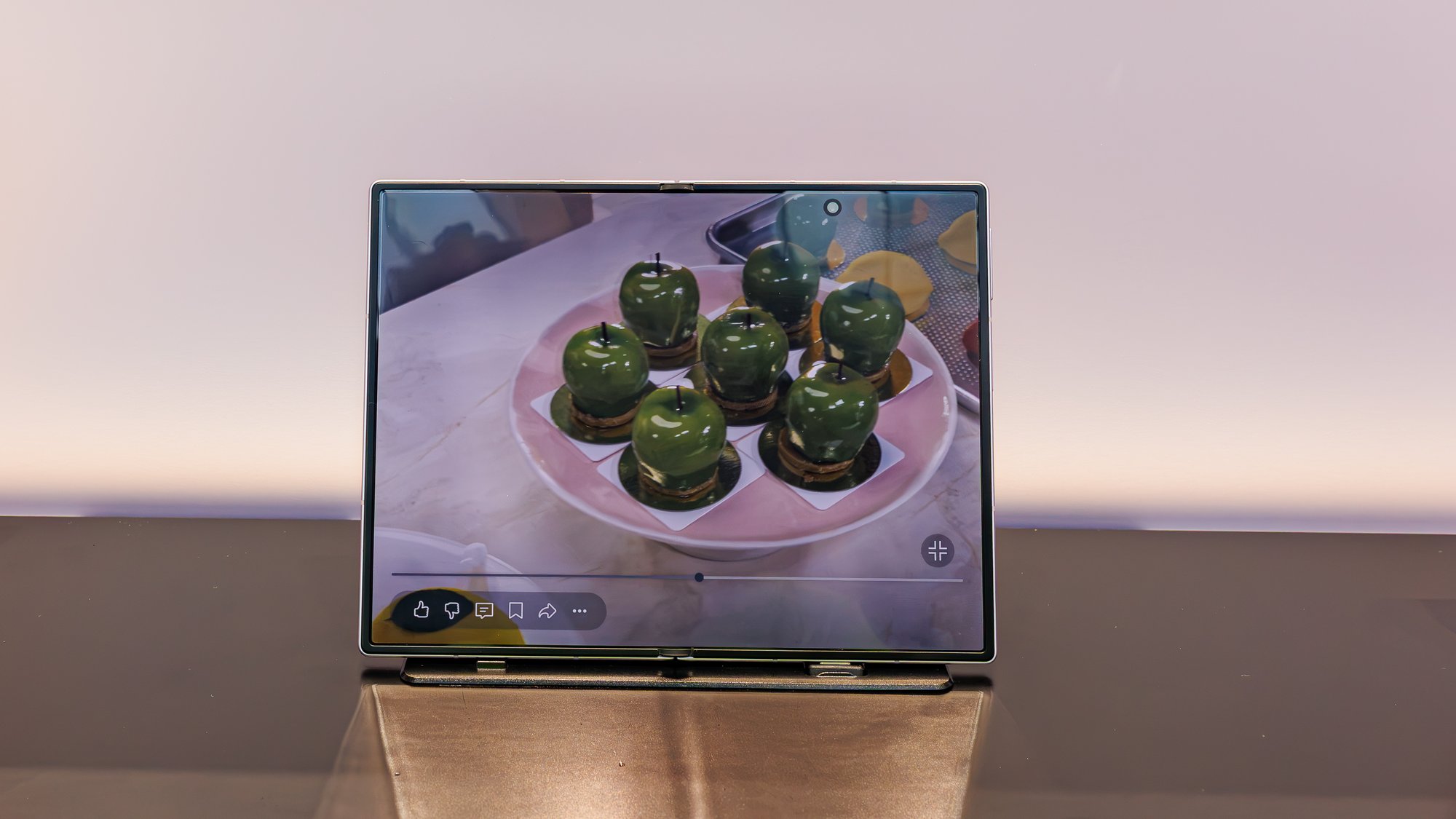
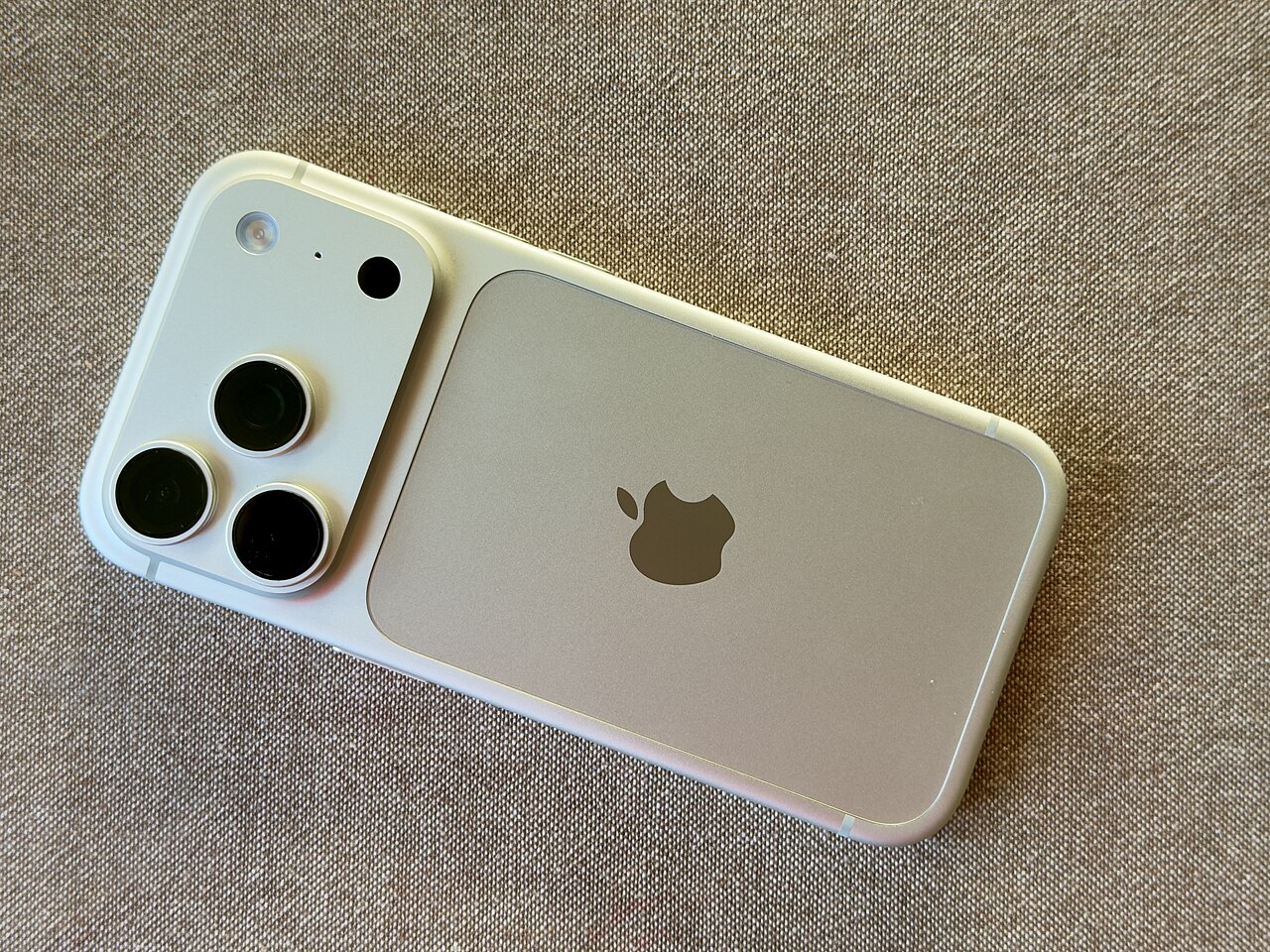
Apple's first foldable phone has a screen problem — not the cracking kind, but the supplier kind. According to a new leak, Samsung Display could remain the only company making the iPhone Duo's folding screen for at least another five years, leaving Apple dependent on its biggest rival for the most important part of its most expensive phone.
The claim comes from Instant Digital, a Weibo-based leaker with a good track record on Apple rumours, reported by MacRumors on Monday 23 November 2026. It is, for now, a leak — not an announcement. Neither Apple nor Samsung has confirmed it, and neither company confirms supplier arrangements as a rule.
What the leak says
Instant Digital posted on Weibo that Samsung's advantages in three areas — crease control, reliability and manufacturing yields — would make it very difficult for LG Display to enter the iPhone Duo's foldable display supply chain. In plain terms: Samsung makes folding screens that crease less, break less and come off the production line in usable numbers. Its rivals, for now, do not.
The result, the leaker claims, is that Samsung Display could stay Apple's sole supplier for at least another five years — covering not just the first iPhone Duo, launched in October 2026, but its successors too. Apple is expected to follow it with an iPhone Duo 2 in 2027.
An earlier claim from the same leaker adds a price to the dependence: Samsung reportedly secured a three-year exclusive supply agreement covering the Duo and future models, with Apple paying approximately $250 for each foldable panel. That figure is also unverified, but it shows the scale of the deal — the screen is the Duo's most expensive component, and Apple reportedly has exactly one place to buy it.
Why Samsung is so far ahead
Samsung's lead is not an accident. It has been making folding phones since 2019, and its display arm has spent years solving the problems that make foldable screens hard: the visible crease where the screen bends, the layers that crack after thousands of folds, and the low yields that make mass production expensive. The Duo uses Samsung's latest M16 OLED material set, and it is the first device on the market to do so.
LG Display, the company Apple would most like to bring in as a second source, faces what the leak describes as an uphill battle. Foldable panels need different materials, different manufacturing steps and different quality tests from ordinary phone screens. Closing that gap takes years, not months — which is why the five-year figure, even as a leak, is plausible. It is a judgement about how long a competitor needs to get good enough.
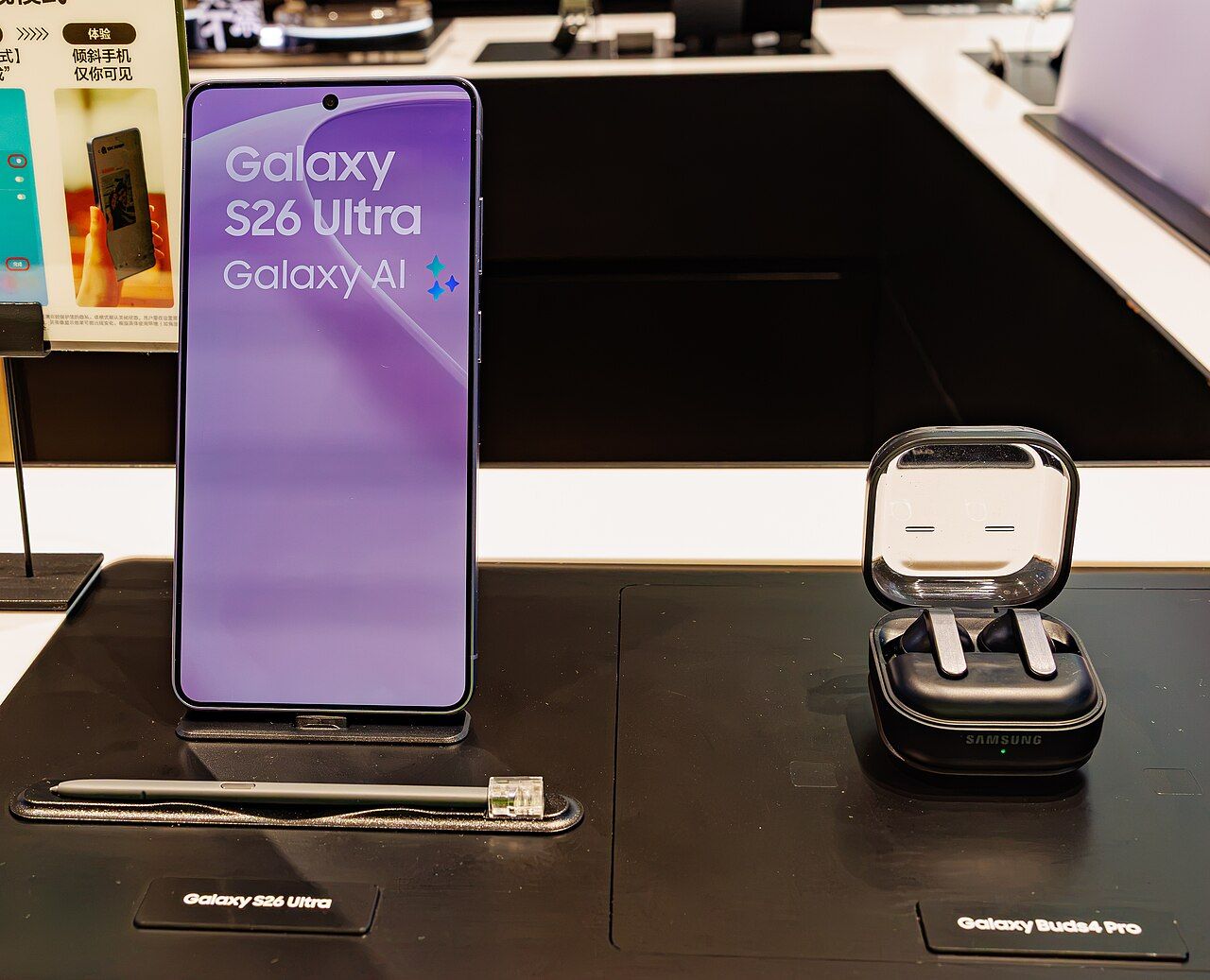
Samsung's edge is not only hardware. Its foldables run One UI, and the next version is already being tested on the Galaxy S26 — JagoAmerica has covered Samsung's One UI 9.5 beta and its new App Lock feature.
Apple has been here before
When the iPhone X launched in 2017, it was Apple's first OLED iPhone — and Samsung was the only supplier capable of producing the required displays. That gave Samsung considerable leverage, and Apple reportedly backed LG's efforts to become a competing supplier.
The foldable situation looks similar, with one difference that makes it worse for Apple. With the iPhone X, the screen was one part of a phone Apple had been making for a decade. With the Duo, the folding screen is the whole point of the product. There is no fallback: if Samsung cannot supply, there is no iPhone Duo.
There is a second irony. Samsung is not just Apple's supplier; it is Apple's main rival in foldables. According to TrendForce figures reported this week, Samsung leads the foldable market with a 35.1% share, against 24.8% for the iPhone Duo. Apple is, in effect, buying the heart of its foldable from the company it is trying to beat.
What it means for buyers
The most practical consequence is price. The iPhone Duo starts at $1,999, and the folding screen is its most expensive component. With no second supplier bidding against Samsung, the screen is not where the Duo is likely to get cheaper — and a five-year run as sole supplier would mean Samsung makes the inner panels for the Duo 2 and the foldables after it, with Apple holding no rival quote to wave at the negotiating table.
The other consequence is availability. A single supplier means a single point of failure: if Samsung's yields dip, or a factory has a problem, there is no one else to pick up the slack.
Quality is the third question. Shortly after the Duo launched, a few users reported hinge issues causing cracks in the inner display, and Apple responded in October 2026 saying a small number of units were affected. Samsung, meanwhile, launched an advertising campaign mocking the display issues. Foldables are set to feature heavily among next year's flagships, as JagoAmerica noted in its roundup of the top 5 upcoming smartphones of 2027 — and the screen is the part buyers should watch most closely.
The dependence may run even deeper
The screen may not be the only place Apple leans on Samsung. According to Korea's Maeil Business Newspaper, Apple is also close to signing a long-term supply agreement with Samsung for DRAM memory chips — a deal that would reportedly run for four to five years from the first half of 2027. That report is unconfirmed, and Apple usually favours short-term contracts, so a deal of that length would be unusual. But if it happens, Samsung would supply Apple with both the folding screen and the memory inside its phones.
None of this means Apple is helpless. It has waited out supplier problems before, and it has a history of backing second sources until they are ready. In a few years, once foldable screens become more mainstream and rivals gain enough expertise, Apple could bring other suppliers on board, just as it eventually diversified OLED sourcing for standard iPhones.
What to watch
Three things will show whether this leak holds up. First, the iPhone Duo 2, expected in 2027: if its screen still comes only from Samsung, the five-year clock is ticking. Second, any sign from LG Display that it has qualified as a foldable supplier for Apple. And third, the price of the next Duo: if it stays at $1,999 or rises, that will tell you who has the leverage.
Until then, the story is a reminder of how the phone business really works. The brands on the box are rivals. The companies inside the box often are not. Apple's foldable future, if this leak is right, is made in Samsung's factories — for at least five more years.
This article is based on a supply-chain leak reported by MacRumors and The Mac Observer. The five-year supplier claim, the three-year exclusive deal and the $250 panel price are all unconfirmed reports from a single leaker, and neither Apple nor Samsung has confirmed them.



Comments (0)
Comments are reviewed before they appear on the site. Your email address is never shown publicly.
No comments yet — be the first to share your thoughts.