Monday, November 23, 2026 About Contact RSS
JAGOAMERICA

News Beyond the Headlines

History

Battles, empires and turning points — what the records actually say, separated from the legends that grew around them.

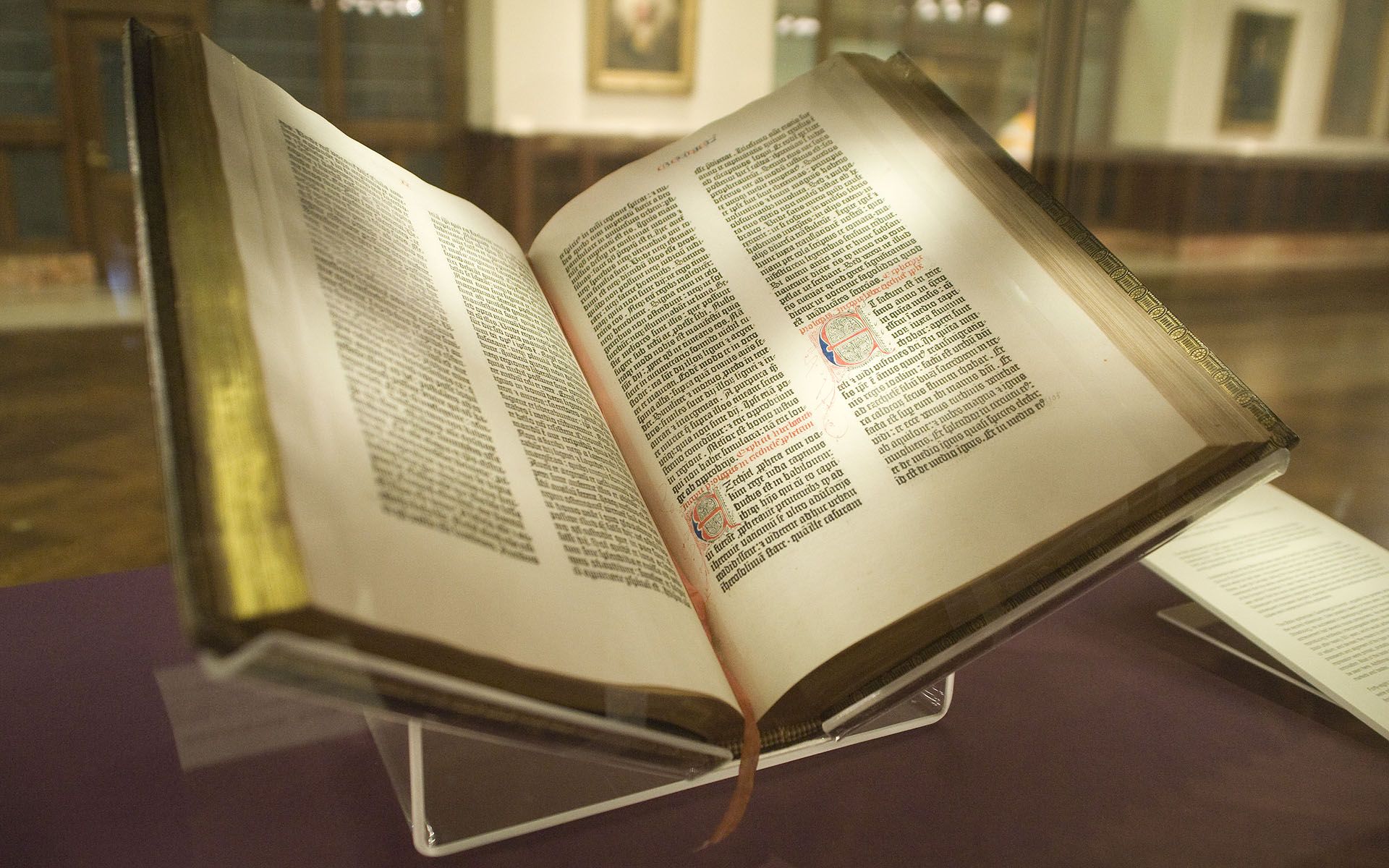
Gutenberg and the Printing Press: How Movable Type Changed the World

Around 1440, a goldsmith in Mainz combined movable metal type, oil-based ink and a wine-press screw — and the cost of a book collapsed. Within fifty years, Europe went from a few thousand hand-copied books to more than twenty million printed ones.
Gutenberg and the Printing Press: How Movable Type Changed the World
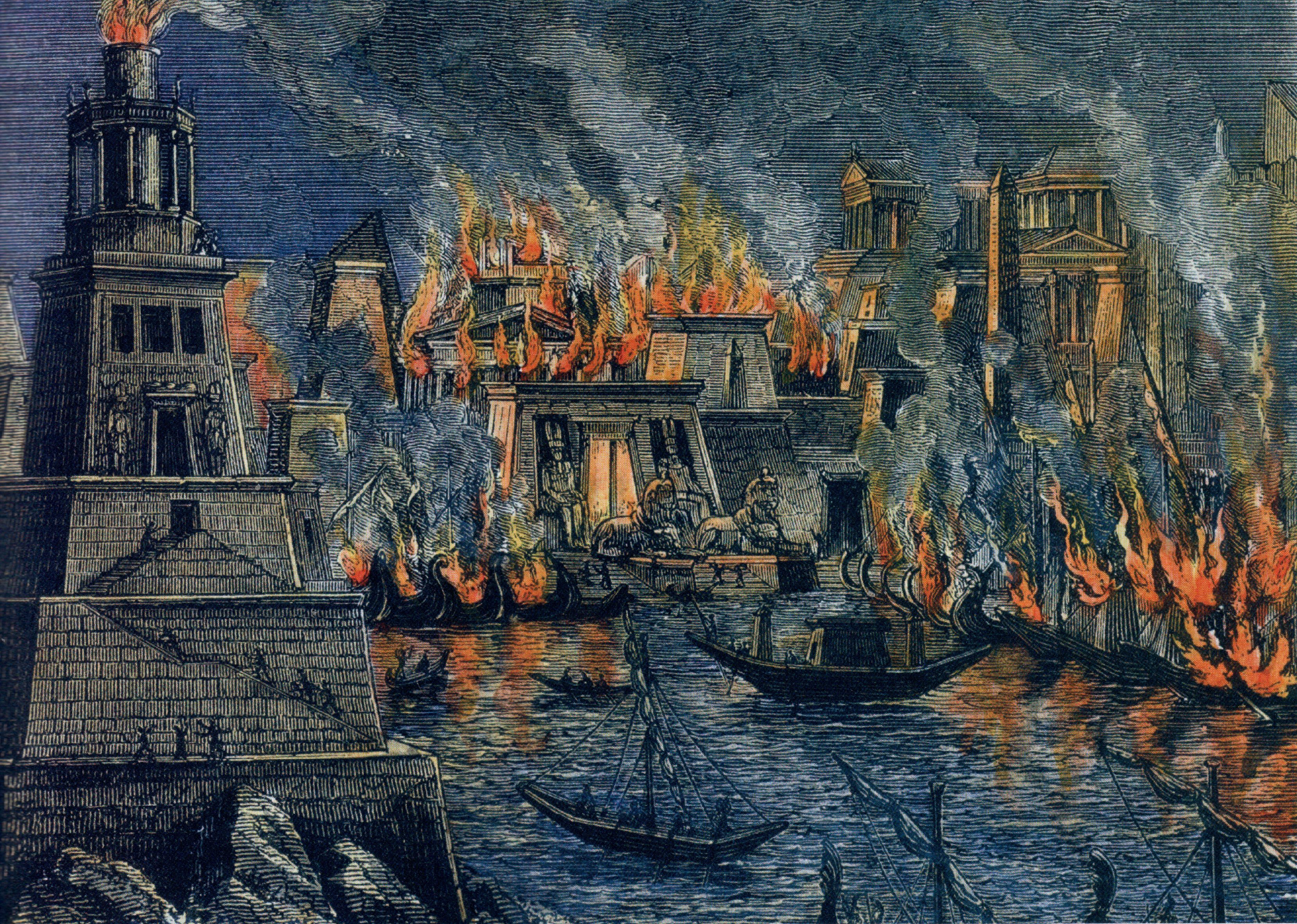
A 19th-century artist's impression of Alexandria burning (Hermann Göll, 1876).

The Library of Alexandria Didn't Burn Down in a Day. It Faded Over Six Centuries

The popular story is a single fire and a single villain. The record shows something slower and more human: a great library founded around 295 BCE that was purged, singed, starved of money, fought over, and finally forgotten — losing the ancient world's knowledge not in one night, but by neglect spread across six hundred years.

The Antikythera mechanism fragments in the National Archaeological Museum of Athens.

The Antikythera Mechanism: The 2,000-Year-Old Computer From a Shipwreck

In 1901, sponge divers hauled a corroded lump of bronze from a Roman-era shipwreck off the Greek island of Antikythera. Inside it were gears — dozens of them — forming a hand-cranked astronomical computer built in the age of the Roman Republic, more complex than anything known again for over a thousand years.

Plaster casts of victims at Pompeii.

Pompeii's Casts Are Not Stone People. Here's What They Actually Are

The white figures of Pompeii — curled, crouching, covering their faces — look like people turned to stone in a single terrible moment. They are not. They are plaster, poured by 19th-century excavators into empty spaces where bodies used to be. Understanding that makes them more remarkable, not less.