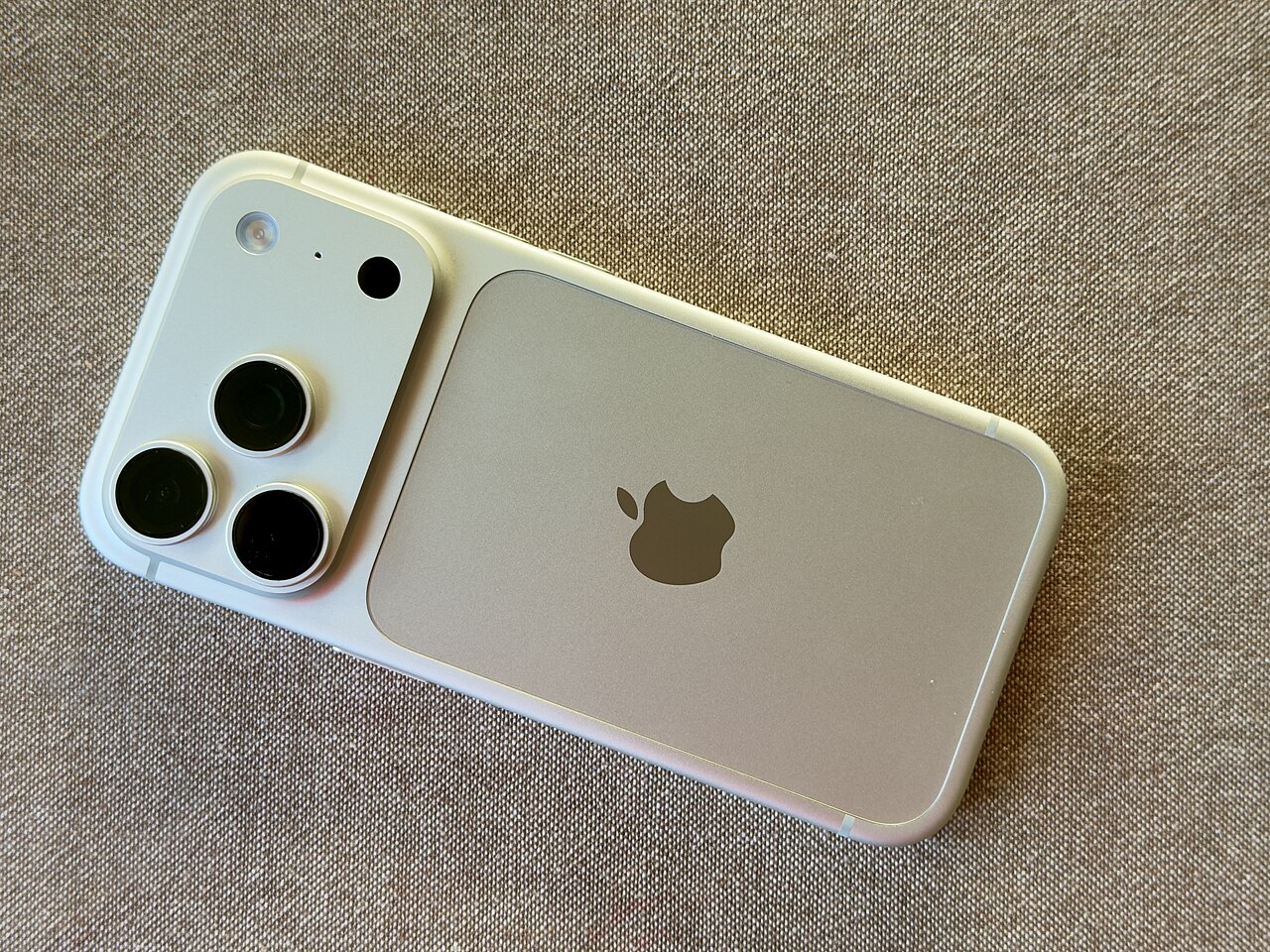
Your next phone may already be on a factory line somewhere. The class of 2027 is shaping up to be one of the most interesting yet: Samsung is expected to open the year with a new Ultra, Apple is doing something it has never done before by splitting its iPhone launch in two, Google’s cheapest Pixel may finally get the same chip as its flagships, Samsung’s foldable is tipped to get dramatically thinner, and OnePlus has already built a phone with a battery almost twice the size of most flagships — except most of the world cannot buy it yet.
None of these five phones is on sale everywhere today, and no specification here is official until the company that makes it says so. What follows is what the most reliable reports, leaks and filings say right now — and what each phone would mean for you if they are right.
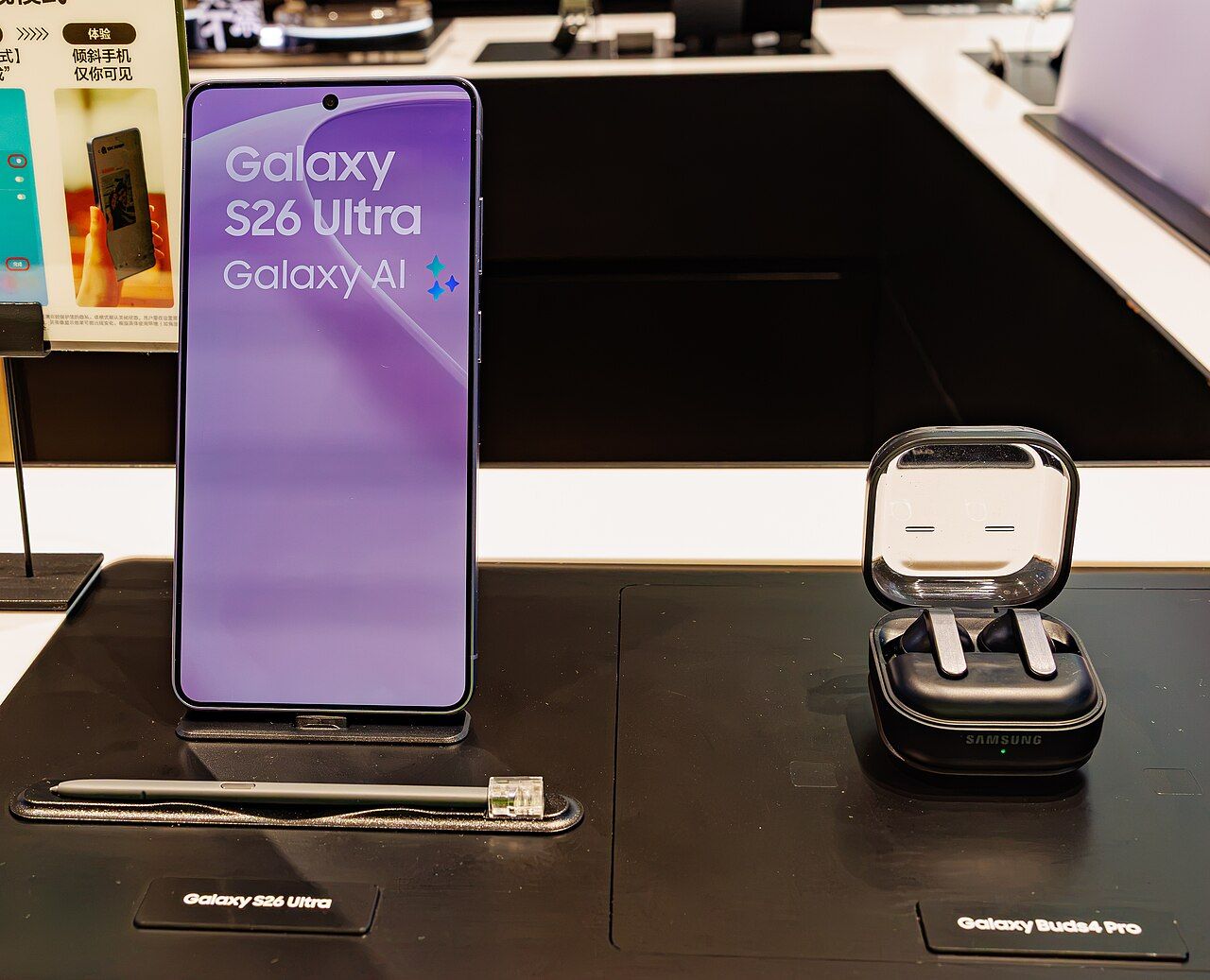
1. Samsung Galaxy S27 Ultra — the one to beat (expected January–February 2027)
Samsung traditionally opens the flagship year, and all signs point to January or February 2027 for the Galaxy S27 series. The current model, the Galaxy S26 Ultra, was announced on 25 February 2026 and went on sale on 11 March, so a similar early-year window is the safest bet in this list.
The headline rumour is the battery. Reports point to a cell of about 5,700mAh using silicon-carbon technology — the figure appeared in a TÜV certification listing spotted by reporters — which would be 700mAh more than the S26 Ultra’s 5,000mAh. It would be Samsung’s biggest Ultra battery yet, with faster 60W charging, according to the same reports. For a line that has trailed Chinese rivals on battery size for years, that would be a genuine catch-up.
Under the hood, the S27 Ultra is expected to run Qualcomm’s next flagship chip, the 2-nanometre Snapdragon 8 Elite Gen 6 — with the Ultra tipped to take the top “Extreme” tier. The camera system is tipped for a redesign around a new 200MP main sensor, possibly dropping the 3x telephoto. Two features from the S26 Ultra are expected to return and improve: built-in Qi2 magnets for snap-on accessories — something Galaxy phones have long lacked — and a second-generation Privacy Display, which narrows viewing angles so neighbours cannot read your screen.
Reports also suggest the family may grow to four models, adding a new “Pro” variant, and leakers point to a camera-bar redesign. The sour note is price: tipsters warn the Ultra could cost more than the S26 Ultra’s $1,299 starting price.
What it means for you: if the battery rumour is right, the S27 Ultra finally answers the most common complaint about Samsung’s top phone — battery life. Samsung’s current flagship software, One UI 9.5, is already in beta on the Galaxy S26 series, so the S27 Ultra should arrive with Samsung’s newest software from day one.
2. iPhone 18 — Apple’s big spring surprise (expected March–April 2027)
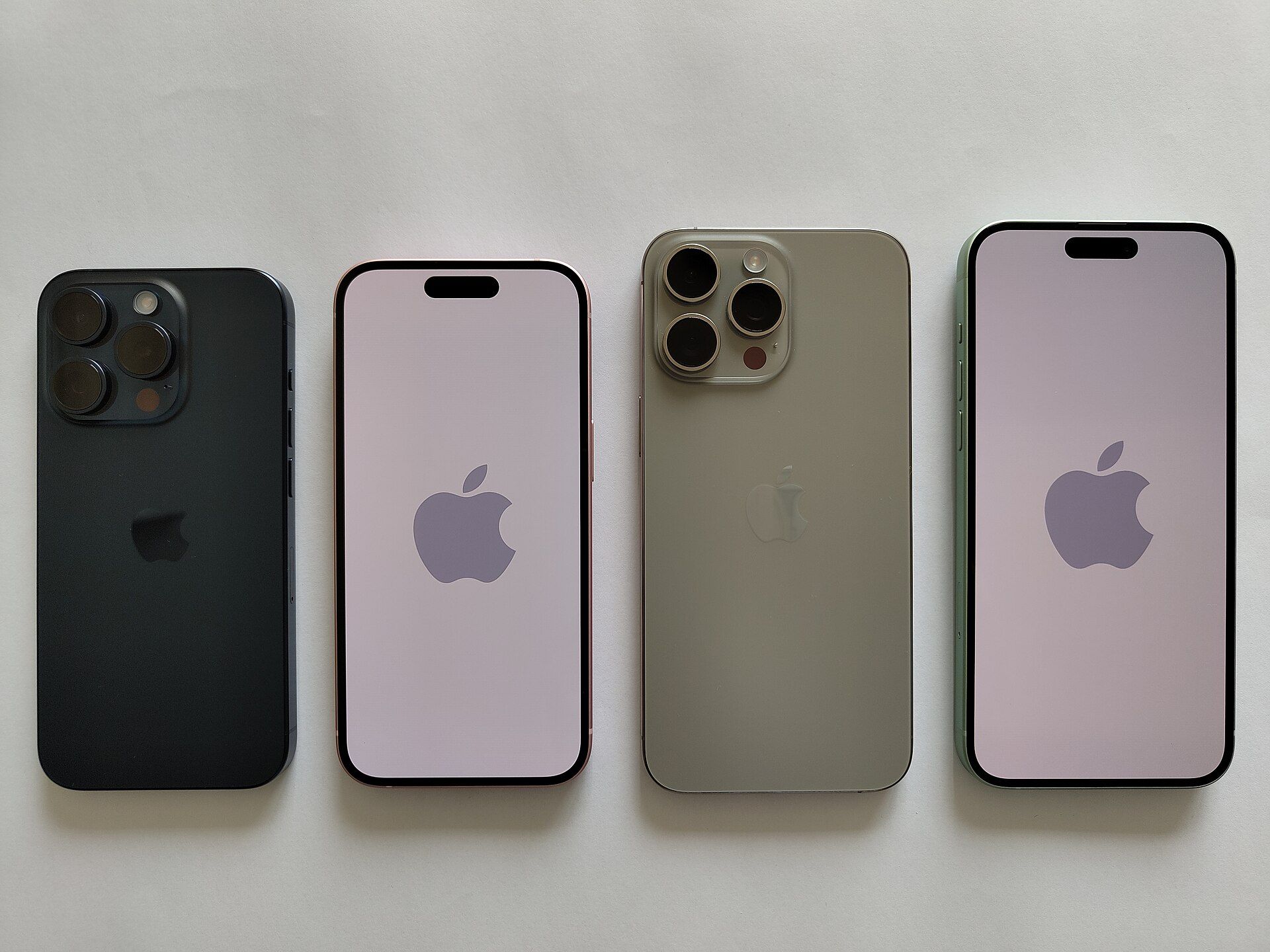
Apple has changed the rhythm of the iPhone. At its September 2026 event it launched the iPhone 18 Pro and Pro Max — and its first foldable, the iPhone Duo — but there was no standard iPhone 18. According to Bloomberg’s Mark Gurman, the regular iPhone 18, a cheaper iPhone 18e and a second-generation iPhone Air will arrive in spring 2027 instead, most likely in March or April. It is the first time Apple has split its iPhone year in two.
The iPhone 18 is expected to keep a 6.3-inch OLED display with a 120Hz refresh rate and the Dynamic Island, but move to Apple’s A20 chip — built on TSMC’s 2-nanometre process, the same generation as the A20 Pro in the iPhone 18 Pro. Analysts Ming-Chi Kuo and Jeff Pu point to 9GB or 12GB of memory, up from 8GB, a 48MP dual rear camera, a battery larger than the iPhone 17’s 3,692mAh cell, and Apple’s own C2 modem. On price, reports suggest $899, the same as the iPhone 17, although some expect a rise.
Why it matters: for the first time, waiting six months after the Pro launch buys you the newest chip generation in the cheaper phone. The standard iPhone has always been the sensible buy; in spring 2027 it may also be the up-to-date one — and Apple gains a fresh iPhone for a season it has traditionally left to Samsung and Google. Apple’s current iPhone software, iOS 27.3, is now in public beta, and the iPhone 18 will ship with the next version of it.
3. Google Pixel 11a — the budget phone that stops feeling budget (expected March 2027)
Google’s A-series phones have always been the smart buy for Pixel cameras and software without the flagship price — but they have always made you wait for last year’s chip. The Pixel 11a, expected in spring 2027 and most likely in March if Google follows its usual pattern, may finally break that habit.
Leaked CAD renders published by Android Headlines in September 2026 show a familiar design, with the same near-flush rear camera area as the Pixel 10a. The interesting part is inside: a leaked spec sheet reported by Android Authority points to the Tensor G6 — the same chip as the Pixel 11 series — with 8GB of RAM, a 6.3-inch 1080p display at up to 120Hz, a 5,100mAh battery, the same 48MP main and 13MP ultrawide cameras, and a new 10.5MP front camera. The phone is also reported to ship with Android 17 and seven years of updates, possibly with a MediaTek modem. Its codename, “Formosan”, has already been spotted in the code of Google’s own Phone app — a small but solid sign the device is real.
The catch is price. The most-cited figure in leak roundups is about $599, up from the Pixel 10a’s $499 — which would be the first price rise for the A-series in four generations. Treat that number with care: one tracker calls it an informed guess rather than a leak, and other estimates put it nearer $499–$549.
What it means for you: if the Tensor G6 rumour holds, the Pixel 11a becomes the first budget Pixel that does not ask you to accept older silicon. For most buyers, that matters more than any camera tweak — it is the chip that decides how fast the phone feels in three years’ time.
4. Samsung Galaxy Z Fold 9 — the foldable grows up (expected July 2027)
Foldables are no longer an experiment. Every numbered Galaxy Fold since 2021 has launched in July or August, and the last four arrived in July, so July 2027 is the likely window for the Galaxy Z Fold 9. This time there is harder evidence than a calendar pattern: two unannounced Samsung phones, with the model numbers SM-F981U and SM-F986U, have already appeared in the GSMA IMEI database — the registry that lists phones before they launch — and trade database records point to a Galaxy Z Flip 9 as well.
The rumours say Samsung’s priority is thinness: tipster kro_roe reports an early design target of 3.9mm unfolded and 7.9mm folded, against 4.5mm and 9.7mm for the Fold 8. The cameras may barely change: a November leak says the Fold 9 Ultra keeps a 200MP main camera, a 50MP ultrawide and a 3x telephoto, and the standard Fold 9 a 50MP main and 50MP ultrawide.
The bigger story is the size of the line-up. A July report from Korean outlet ETNews said Samsung will unveil four foldables in 2027 — the Fold 9, Fold 9 Ultra, Flip 9 and a second-generation TriFold. One tipster has gone further, claiming six models including a Fold 9 Pro and a sliding-screen Galaxy Z Slide. That wilder claim rests on a single source, but the direction is clear: Samsung wants a foldable for every pocket and price — and it has reason to push, since the wide-screen Galaxy Z Fold 8 took about 70% of Galaxy Z pre-orders in Korea this year.
What it means for you: the Fold 9 is the phone to watch if you have been waiting for a foldable that feels like a normal phone when closed. If the thinness target is real, the old complaint — that folding phones are thick, heavy bricks — gets much weaker.
5. OnePlus 16 — the 9,000mAh monster the world is still waiting for (on sale in China since October 2026)
The fifth phone on this list is different: it already exists. OnePlus launched the OnePlus 16 in China on 12 October 2026, and its official specification page confirms numbers that would have sounded like a joke a few years ago — above all a 9,000mAh dual-cell battery, nearly double the capacity of most 2026 flagships. It also has Qualcomm’s Snapdragon 8 Elite Extreme Gen 6 chip, a 200MP main camera, a 50MP periscope telephoto with 3x optical zoom, and a 6.78-inch OLED display running at 165Hz, or up to 185Hz in supported games.
So why is it on a list of upcoming phones? Because almost nobody outside China can buy it. OnePlus has announced no global release date, there is no listing on its global or India sites, and the company scaled back new rollouts in Europe and North America in July 2026. It has also not published a price: Chinese retail coverage reports roughly 5,199–5,999 yuan for the base 12GB model, but that is retail reporting, not an official figure.
What it means for you: the OnePlus 16 is the clearest sign yet that battery life is the new arms race in phones. A 9,000mAh cell with 100W wired charging would end battery anxiety outright — if the phone ever reaches your country. For now it is a waiting game: if a global launch is announced, it instantly becomes the endurance king of this list. If it never comes, it is a reminder that the most exciting phone of the year is not always the one you can buy.
Which one should you wait for?
If your current phone is dying, buy now — the Galaxy S26 Ultra, the iPhone 18 Pro and the Pixel 11 are all excellent, and waiting months for a rumour is a poor trade for a phone you need today. If you can hold on until early 2027, the Galaxy S27 Ultra and the iPhone 18 are the two launches that matter most: Samsung’s biggest battery jump in years, and Apple’s first spring iPhone with a brand-new chip.
On a budget, the Pixel 11a is the one to watch — a flagship chip at a mid-range price would be the best value in this list, if the price rumour does not climb too far. If you want something different, the Galaxy Z Fold 9 is the foldable finally getting thin enough to live with. And if battery life is the only thing you care about, keep an eye on the OnePlus 16’s global fate: 9,000mAh is a number no other phone on this list can touch.
One last caution: every detail above, except the OnePlus 16’s specifications and the iPhone Duo’s existence, is a report, a leak or a filing — not a promise. Dates slip, prices rise, cameras change before the reveal. But the shape of 2027 is already clear: smaller chips, much bigger batteries, and cameras climbing past 200 megapixels. Whatever you buy next will be a better phone for it.

Comments (0)
Comments are reviewed before they appear on the site. Your email address is never shown publicly.
No comments yet — be the first to share your thoughts.