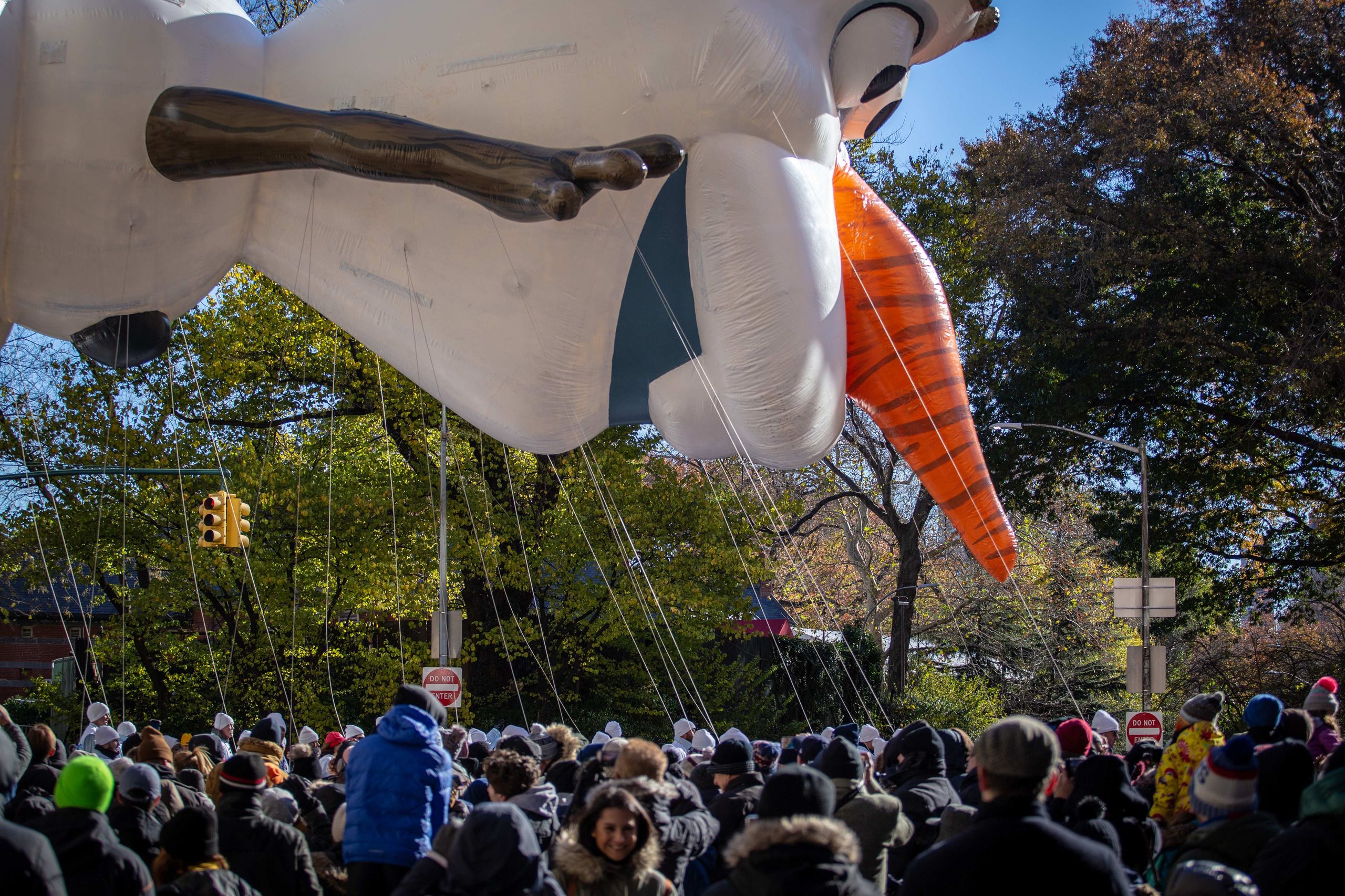
For a century, the Macy's Thanksgiving Day Parade has marched through New York on Thanksgiving morning, whatever the weather. Rain, snow, wind, even a pandemic — the parade went on. On Thursday, 26 November 2026, that streak finally broke.
A powerful nor'easter swept up the East Coast and hit New York City with torrential rain, coastal flooding and winds strong enough to snap tree limbs and bring down power lines. Macy's and the city decided the day before that the parade could not go ahead safely. Instead of cancelling the milestone 100th parade, they moved it — to Saturday, 28 November, at 8:30 a.m. Eastern.
It is the first time the parade has ever been postponed. It was cancelled for three years during the Second World War, and its balloons have been grounded by wind before, but the event itself has never been shifted to another day. Until now.
Why the parade could not go ahead on Thursday
The decision was announced on Wednesday, 25 November, after forecasters warned that the storm would peak during the parade's usual morning window. New York City Mayor Zohran Mamdani told a safety briefing that the city was expecting sustained winds of 30 to 40 mph, with gusts as high as 60 to 65 mph.
"This will be a heavy storm," Mamdani said. "Winds will be strong enough to down tree limbs and power lines." The National Weather Service had issued a high wind warning and a coastal flood warning for Thursday into Friday, and the governors of New York and New Jersey both declared a state of emergency ahead of the storm.
The danger was not the rain alone. It was the wind — and the parade's giant balloons. Since a 1997 incident in which a spectator was injured after a windblown balloon hit a lamppost, city rules have barred the big balloons from flying at full height when sustained winds top 23 mph or gusts top 34 mph. Thursday's forecast blew straight past both limits.
When Thursday arrived, the forecast proved right. Wind gusts reached 54 mph (87 kph) in Central Park, alongside part of the parade route, and 66 mph (106 kph) at LaGuardia Airport, according to the National Weather Service. Rain was torrential at times, and a record 2.18 inches fell on Central Park — the wettest Thanksgiving Day the city has ever recorded. The previous record was 1.72 inches, set on 23 November 2006. Only three other Thanksgivings since 1870 had seen even an inch of rain.
"The safety of our participants and spectators is our top priority, and after close consultation with our City and agency partners, we have made the decision to move this year's celebration," Macy's told NBC News.
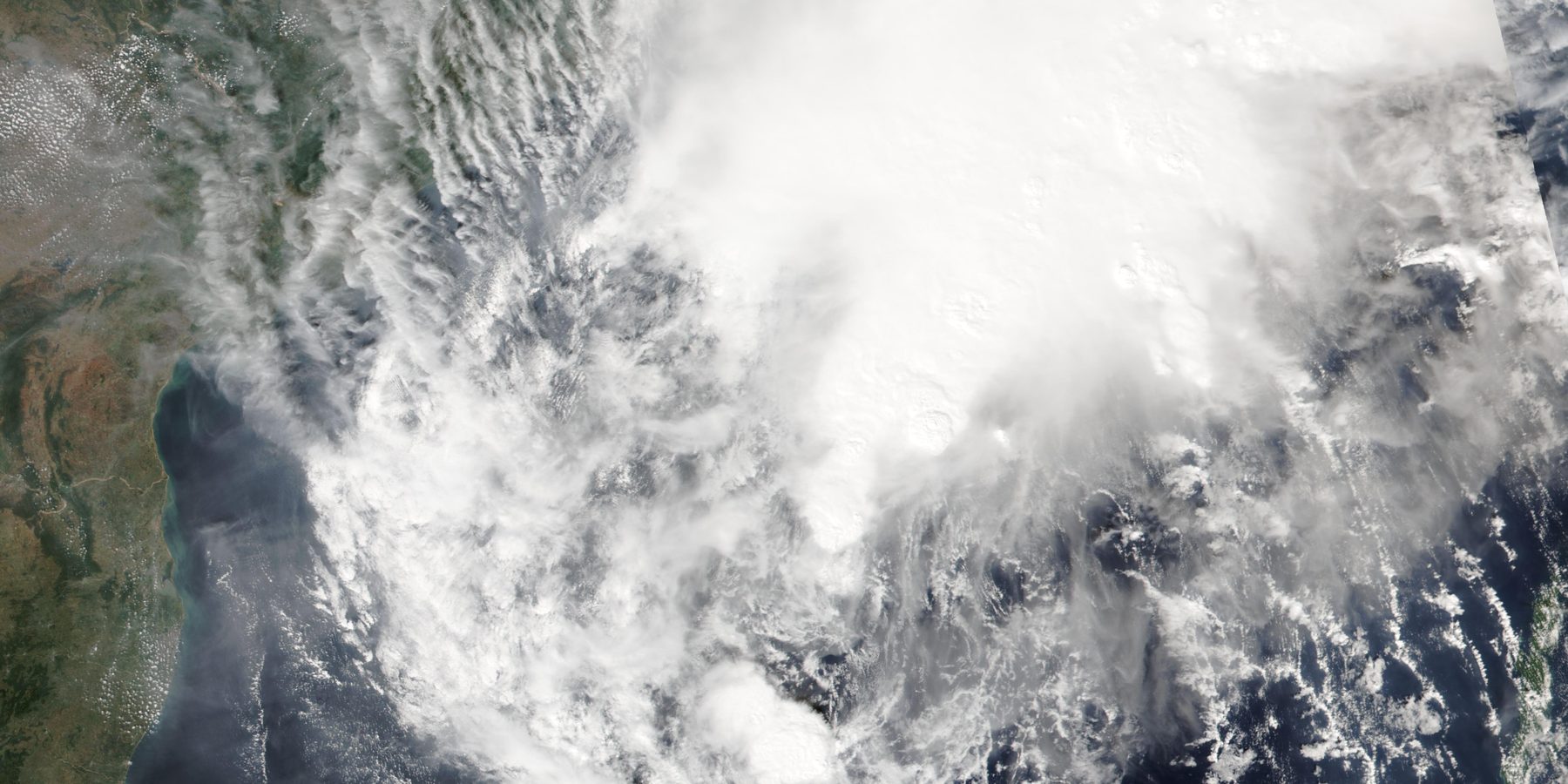
New York was not the only parade hit by the storm. In Philadelphia, the 6abc Dunkin' Thanksgiving Day Parade was also cancelled because of the bad weather, and the storm disrupted travel across the East Coast on one of the busiest holiday weekends of the year. Extreme weather disrupted big events elsewhere the same week — a cyclone in India forced hundreds of thousands of people to evacuate.
What happens on Saturday
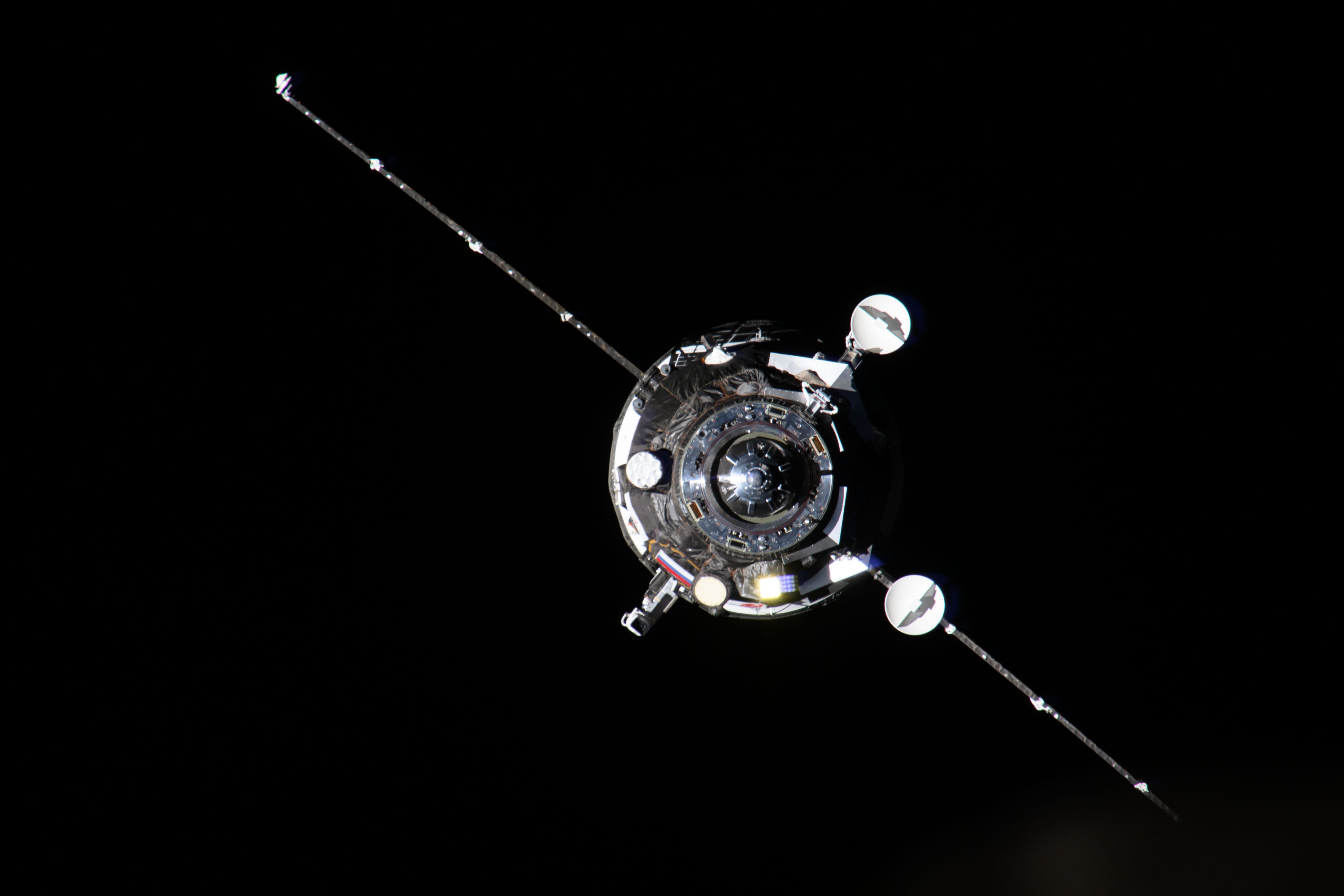
Saturday's parade will be, in the words of Will Coss, vice president and executive producer of Macy's Studios, "the parade we set out to deliver on Thursday." It steps off at 8:30 a.m. Eastern and runs until noon, following the usual 2.5-mile route from West 77th Street and Central Park West, down to Columbus Circle, along Sixth Avenue and west on 34th Street to Macy's Herald Square. NBC will broadcast it live and stream it on Peacock from 8:30 a.m. to noon, followed by a rebroadcast of the National Dog Show, a post-parade television tradition now in its 25th year. While New York waited out the storm, Thanksgiving still reached orbit — a cargo ship docked with the space station carrying Thanksgiving supplies.
The weather on Saturday should cooperate. National Weather Service meteorologist Matt Wunsch said Friday that the morning should be dry, with sustained winds of around 10 to 15 mph and gusts of perhaps 25 mph — comfortably below the city's balloon thresholds. Temperatures will climb through the 40s Fahrenheit as the parade progresses, so it will feel chilly for spectators.
Almost everything from Thursday's plan survives. The same balloons and floats will appear, along with 1,000 clowns and most of the original celebrity line-up, including Megan Moroney, Teddy Swims, Queen Latifah, Keke Palmer, JoJo and Jimmy Fallon & The Roots. A tribute to Dolly Parton led by Megan Hilty is still planned, and Santa Claus will close the parade as always.
Two acts have even been added. LL Cool J and Gloria Gaynor — the voice behind "I Will Survive" — joined the line-up after the date change.
"We were making history with our 100th parade. We're making even more history now with the first parade that has shifted from its original performance date to a new date," Coss told The Associated Press late on Friday.
| Thursday, 26 November | Saturday, 28 November | |
|---|---|---|
| Parade | Postponed | Steps off 8:30 a.m. ET |
| Wind gusts | 54 mph in Central Park; 66 mph at LaGuardia | Forecast around 25 mph |
| Rain | Record 2.18 inches in Central Park | Dry, clearing skies |
| Temperature | Storm conditions | Climbing through the 40s °F |
| TV | No parade | NBC and Peacock, 8:30 a.m.–noon ET |
The 48-hour scramble behind the move
Moving a parade of this size by two days was, by the organisers' own account, an enormous logistical job. The balloons had already been inflated on the Upper West Side on the eve of the parade when the decision came. Crews had to deflate the entire balloon complement, pack it up, move it to a facility in New Jersey and then re-prepare everything for Saturday. One of the biggest hurdles, Coss said, was simply deflating all the balloons, bringing them to the studio and getting them ready again.
Performers faced their own scramble. Marching bands from far away had to raise tens or even hundreds of thousands of dollars to extend their stays in New York. The Nā Koa Ali'i Hawai'i All-State Marching Band — about 250 musicians and 100 hula dancers, many of whom had never left Hawaii before — raised more than $700,000 to prolong its trip, with banks, institutions and individuals pitching in at an average donation of about $70.
Not everyone could make the new date work. The University of Alabama's Million Dollar Band headed home to perform at the annual Alabama–Auburn game, the Iron Bowl. Broadway shows had to work out whether their casts could do the parade and then a Saturday matinee a few hours later. Still, Coss said that 90 to 95 per cent of the bands, performance groups and celebrity talent managed to adjust their travel and appearance plans and will be there on Saturday morning.
Spectators were caught in the middle too. The two-day delay ruined some people's plans to attend, while proving serendipitous for others who unexpectedly found they could go once the date moved. One person who cannot be there is Mayor Mamdani himself: he had surgery on Friday for a torn Achilles tendon, injured in a pickup soccer match against local journalists the week before, and is resting over the weekend on doctors' orders.
A century of Thanksgivings — and the weather it survived
The parade began on 27 November 1924, when it was still called the Macy's Christmas Parade. Macy's employees, dressed in costume, marched from 145th Street in Harlem to the flagship store on 34th Street, accompanied by marching bands, floats and live animals borrowed from the Central Park Zoo — bears, elephants, camels and monkeys. More than 250,000 people turned out for the first one, and Santa Claus closed the procession, climbing a ladder to the marquee above the store entrance to unveil the Christmas window display.
The giant balloons that define the parade today arrived in 1927, when puppeteer Tony Sarg helped create the first inflatables. Felix the Cat led the way. Santa has closed the parade every year since 1924, and the event later reached cinema screens in Miracle on 34th Street.
The parade has survived a lot. It was cancelled from 1942 to 1944, when rubber and helium were needed for the war effort during the Second World War. It marched through the Great Depression and even in 2020, when the pandemic forced a shorter, smaller version with fewer people and more vehicles.
Weather has come close to stopping it before. In 1971, fierce wind and rain forced organisers to keep every giant balloon on the ground — the first and only time the entire balloon line-up stayed deflated while the floats and marching bands carried on. That Thanksgiving was also a wet one: 1.06 inches of rain fell, with a peak wind gust of 63 mph. But the parade itself still marched, on the day, as it always had.
This year is different. The 2026 parade is the 100th — the centenary was marked in 2024, but because of the three wartime cancellations, this is the 100th parade to actually march. It was planned for more than two and a half years, with a record 100 inflatables. And now it will be remembered not just as the 100th parade, but as the first one that ever moved.
The storm that forced the change was part of a much wider weather event. The same system that drenched New York brought heavy rain, strong winds and coastal flooding across the East Coast.
What spectators need to know
- When: Saturday, 28 November 2026, 8:30 a.m. to noon Eastern. Arrive early — the best viewing spots along Central Park West and Sixth Avenue fill up fast.
- Where: The usual 2.5-mile route, from West 77th Street and Central Park West to Macy's Herald Square on 34th Street.
- Watching from home: NBC broadcasts the parade live from 8:30 a.m. to noon Eastern, and it streams on Peacock. The National Dog Show follows.
- What to wear: Dress warmly. Temperatures will be in the 40s Fahrenheit, with a breeze — cold for standing still for hours, even in sunshine.
- Balloon inflation: The traditional public balloon inflation the night before did not happen this time — the balloons were re-inflated in New Jersey on Friday, away from the public, after being moved there for safety.
- Tickets: There are none. The parade is free to watch from the street, as it has been since 1924.
For the millions watching from home and the hundreds of thousands lining the route, Saturday will look very much like any other Macy's parade — the same balloons, the same bands, the same Santa at the end. The only difference is the date. A century of Thanksgivings taught New Yorkers that the parade always goes on. This year it simply went on two days late.
Comments (0)
Comments are reviewed before they appear on the site. Your email address is never shown publicly.
No comments yet — be the first to share your thoughts.