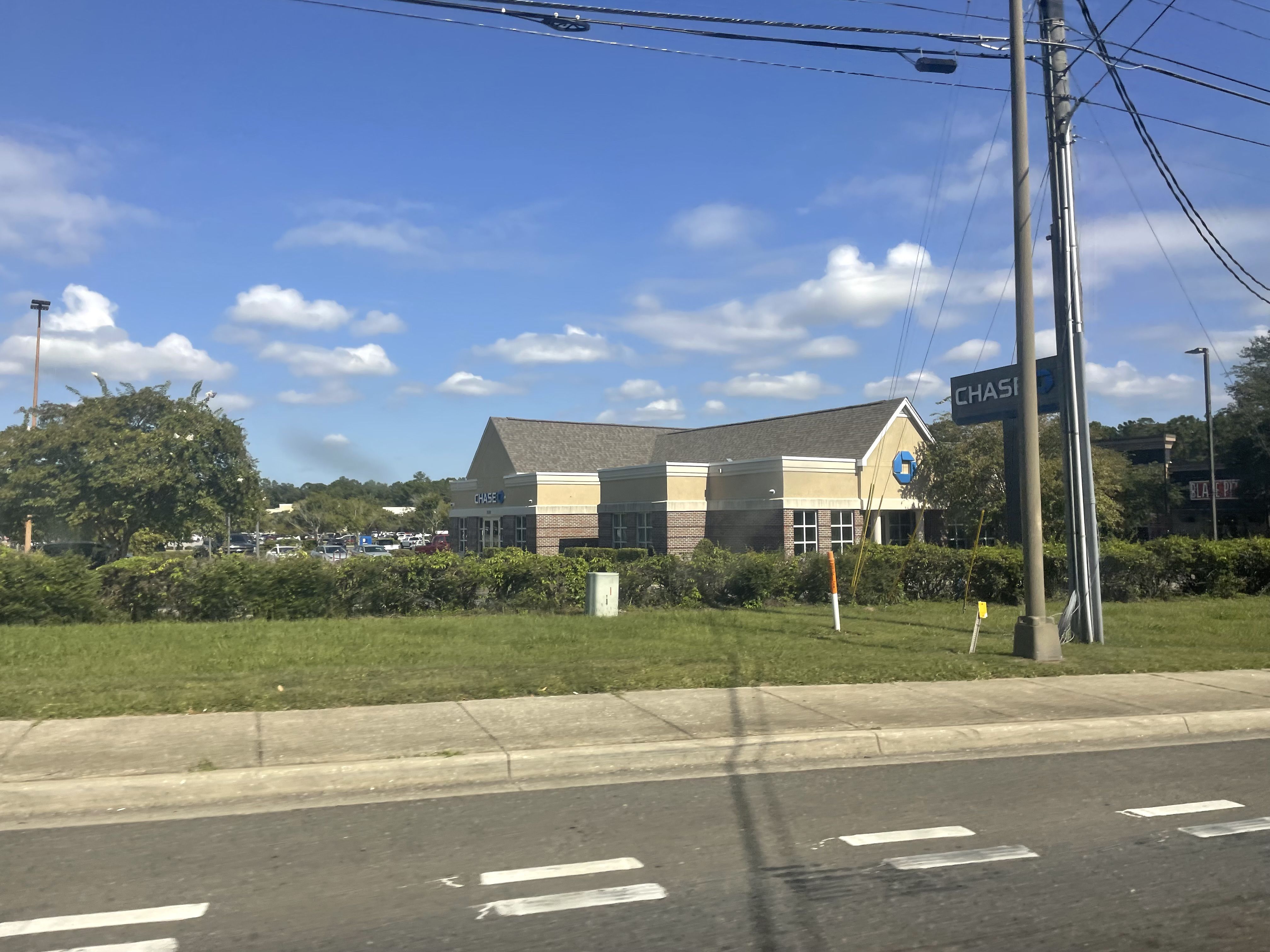
America's biggest bank says its vendors were hacked
JPMorgan Chase, the largest bank in the United States, said on Thursday, November 19, that hackers had targeted outside companies that provide services to the bank — and that customer names and email addresses may have been exposed.
The bank announced the incident in a statement posted on X at 6:17 a.m. Mountain Time. It said the attackers had not broken into the bank itself. Instead, they went after the third-party vendors that hold some of its marketing data.
"We have learned that third parties who provide services to the firm were the target of a cyber attack," the bank said. "Based on our investigation so far, we believe the attackers accessed certain marketing data held by those vendors, which may include some customer names and email addresses."
Chase said there was no disruption to its services, and that it would contact affected customers directly where appropriate and offer support, including complimentary credit monitoring. It did not say when those notices would go out, or how long the monitoring would last.
The bank has not said when the attack happened, which vendors were hit, or how many customers may be affected. It has also not named the attackers, or confirmed the figures reported by researchers who examined the leaked data.
What the researchers found: about 16,000 emails, and very wealthy targets
Hours before Chase confirmed the incident, researchers at the cybersecurity news outlet Cybernews examined data that a ransomware group calling itself n0n had published on the dark web. According to their review, the leaked file contains roughly 16,000 customer email addresses, with phone numbers in some cases and JPMorgan Chase account IDs — as well as more than 100 bank employee email addresses.
The file is small, about 502 kilobytes, and it is not clear whether it is everything the group stole or only a sample. Reuters also reviewed the material and counted more than 16,000 customer email addresses, some with phone numbers and postal codes, and about 124 bank employee email addresses — but Reuters said it could not independently verify that the data was authentic. That matters: the numbers below come from the researchers' examination of the published files, not from the bank.
What makes the leak striking is who it appears to involve. According to Cybernews, all of the leaked records seem to be tied to the bank's Chase Reserve card program — an invitation-only Visa credit card available to high-net-worth clients, typically requiring at least $10 million in assets managed by the bank.
"This association alone makes the leak a lot more sensitive as essentially all affected individuals can be a lucrative target to cyber criminals," Aras Nazarovas, a senior information security researcher at Cybernews, said.
The group itself had claimed, before publishing, that the stolen data included engagement records from a premium Reserve card program covering hundreds of thousands of marketing campaign interactions across tens of thousands of unique cardholder email addresses, a member directory containing membership categories and postal codes, and marketing emails carrying the bank's branding. Those are the group's own claims, and they have not been independently verified.
What was not in the leak — as far as anyone can tell
Just as important as what was published is what was not. None of the reviews of the published files reported card numbers, passwords, account balances or transaction histories. The material looks like marketing contact information held by vendors, not the keys to anyone's money.
That distinction is why the bank's own statement talks about "marketing data" rather than account data. It is also why the regulatory consequences are probably limited: most breach-notification laws are triggered by an email address combined with a password or other credential, or by Social Security and financial account numbers — not by a name and an email address on their own.
But a name and an email address are still enough to do real damage. A criminal who knows a person's name, email address, phone number and the fact that they hold an invitation-only card for the very wealthy can write a convincing fake message — a fake fraud alert, a fake account warning, a fake offer. That is the main risk here, and it is the reason researchers are warning the affected customers to be careful.
The employee email addresses in the leak carry a different risk. With 124 staff addresses now public, attackers can aim phishing messages at bank employees themselves — impersonating a help desk, for example — in the hope that one compromised employee opens a path into the bank's internal systems.
The gang behind it: n0n, a new name moving fast
The group calling itself n0n is new to the cybercrime scene. It first appeared in mid-September 2026, and it has moved quickly since: by mid-October it had listed 93 victims on its leak site, with combined ransom demands of $283.7 million, according to the cybersecurity firm SOCRadar.
Its method is simple and brutal. It lists a company on its dark web leak site, sets a 48-hour deadline for the company to negotiate, and publishes the stolen data when the deadline passes. JPMorgan Chase was added to the list on November 16, in a batch of 59 organisations across 11 countries that also included Visa and Mastercard, and the data was published on November 19, after the deadline expired.
Visa and Mastercard were caught in the same wave. Visa confirmed a cybersecurity incident at a third-party provider in the Asia-Pacific region, affecting more than 6,000 premium dining customers, and said its own systems were not involved and no payment data such as card numbers was affected. Mastercard said an incident at a third-party provider had exposed a limited number of email addresses belonging to a small subset of cardholders enrolled in a specific benefits program. Researchers who examined all three sets of leaked data said they looked as though they had come from the same third party — though none of the three companies has named the vendor.
A rough week — and an unrelated outage
The breach announcement landed in the middle of an already difficult week for the bank. On Monday, November 16, Chase customers were locked out of online banking and saw transactions delayed in a major outage. The bank blamed a software bug, and said it had found no evidence of a cyberattack behind the outage.
Chase was careful to separate the two events. "There is no connection to service disruption some customers experienced earlier this week," the bank said in its statement. It has been a difficult week for large online services generally — even the biggest entertainment launch of the year saw PlayStation Network buckle on launch eve as millions of players tried to download a 212 GB game.
The bank has dealt with a similar problem before. Last year, an attack on SitusAMC, a vendor used by elite Wall Street banks, exposed customer details of several financial institutions. And in mid-October, JPMorgan announced it was blocking outside AI agents from operating customer accounts, with chief executive Jamie Dimon warning that "rogue agents" could create serious risks for clients.
The pattern is the point. The modern financial system, like the internet itself, runs on infrastructure most people never see — more than 99% of international data, for example, travels through submarine cables operated by outside companies. When one of those outside companies is breached, the damage lands on customers who never dealt with it directly.
What customers should do now
For most Chase customers, the honest answer is: probably nothing has happened to you. The published data appears to involve a small, specific group — the invitation-only Reserve program — not the bank's tens of millions of ordinary customers. Chase has said it will contact affected customers directly, so if you do not hear from the bank, you are probably not among them.
But the leak is also a warning, because the most likely next step is not another hack — it is a wave of fake emails. Here is what to do:
Do not click links in unexpected messages about your account. If an email or text claims to be from Chase and urges you to act urgently — a fraud alert, a locked account, a verification request — do not follow its link. Open the Chase app yourself, or type chase.com into your browser, and check there.
Forward suspicious mail to phishing@chase.com. The bank runs a dedicated address for reporting phishing attempts. If a message looks like it came from Chase but something feels off, send it there and delete it.
Be extra careful if you hold a premium card. The leaked records are tied to a card for very wealthy clients, which makes those clients prime targets for personalised scams. A message that knows your name, your card and your city is still not proof that it is real.
Take the free credit monitoring if Chase offers it to you. The bank said it would offer complimentary credit monitoring to affected customers where appropriate. It costs nothing and it is the fastest way to spot someone using your details.
And if you are not a Chase customer at all, the lesson still applies. The same gang published data tied to Visa and Mastercard on the same day, and the same trick — a convincing email from a company you trust — is the one that works on everyone.
What we still do not know
Almost everything else about this incident is still unknown. Chase has not said when the attack took place, how the attackers got in, which vendors were breached, or how many customers it will notify. It has not confirmed the researchers' figures, the Reserve-program connection, or the group's responsibility. It is not clear whether the published file is everything the group stole or only a sample — and if it is a sample, what else the group may still hold.
Until the bank says more, the confirmed facts are these: outside vendors were attacked, marketing data that may include customer names and email addresses was accessed, banking services were not disrupted, and the bank says it will contact affected customers directly. Everything else — the 16,000 emails, the Reserve connection, the employee addresses — comes from researchers who examined files the attackers published, and it has not been independently verified.
That is the shape of most modern breaches: the company confirms the smallest certain facts, researchers fill in the rest from what the attackers chose to show, and the full picture arrives weeks later, if it arrives at all. For now, the safest thing any customer can do is the simplest one — treat every unexpected message about your money as suspicious until you have checked it yourself.


Comments (0)
Comments are reviewed before they appear on the site. Your email address is never shown publicly.
No comments yet — be the first to share your thoughts.