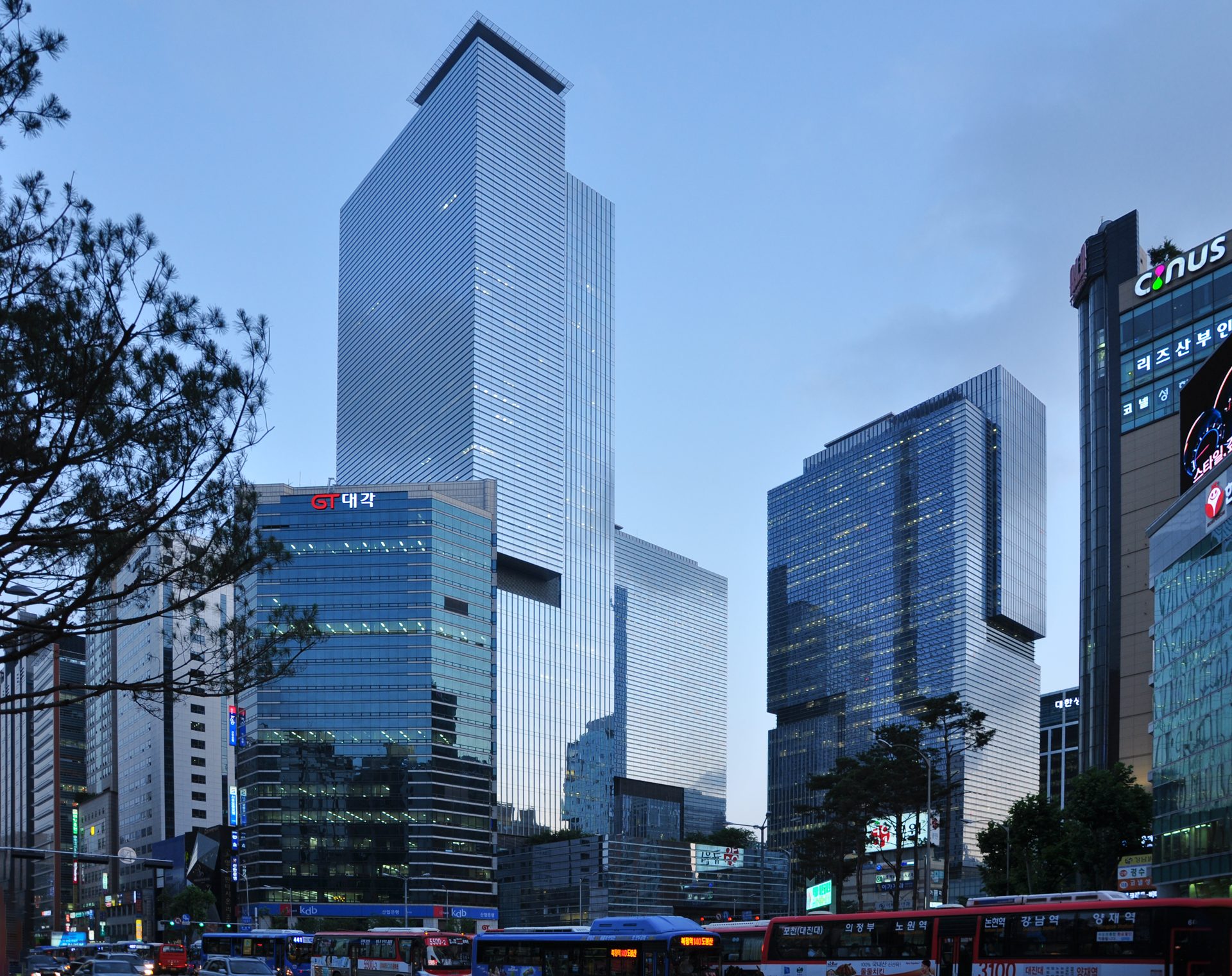
Samsung's phone business has a new boss — after seven years under TM Roh
Samsung has named Won-Joon Choi as the new head of its mobile division, ending TM Roh's nearly seven-year run in charge of the Galaxy business. The company announced the change on Friday, November 20, 2026, as part of its annual executive reshuffle for 2027 — a shake-up that also puts new leaders in charge of Samsung's memory chip and semiconductor businesses.
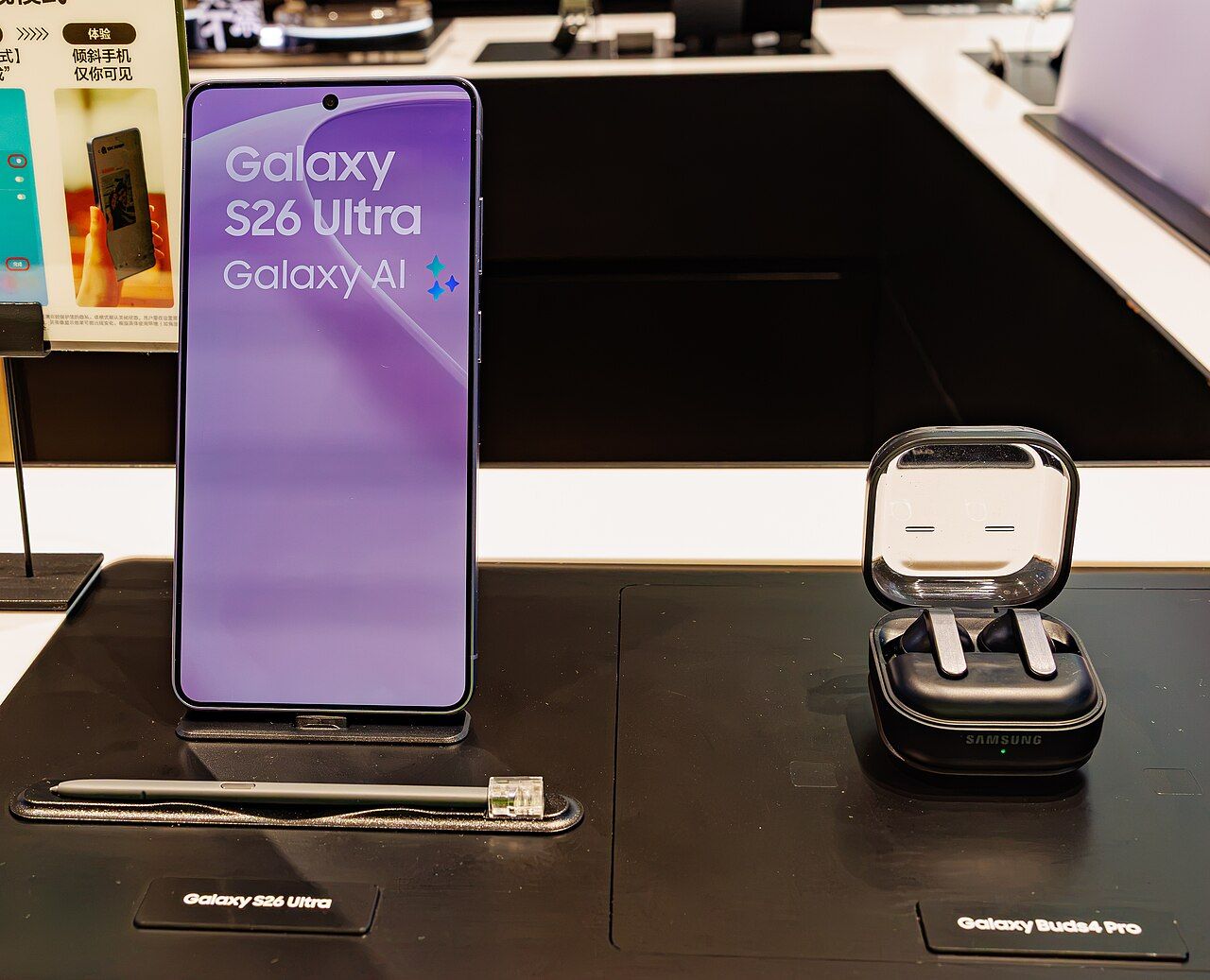
Choi is not an outsider. He has been the mobile division's chief operating officer since March 2025, and Samsung credits him with leading the launches of the Galaxy S26 series and the Galaxy Z Fold8 series. He now takes over the Mobile eXperience — or MX — business, the division that makes every Galaxy phone, tablet and wearable Samsung sells.
TM Roh is not leaving the company. He stays on as one of Samsung's two chief executive officers and as head of the broader Device eXperience (DX) division, which covers phones, TVs and home appliances. What he gives up is the day-to-day running of the mobile business — a job he has held since early 2020, when he succeeded the legendary DJ Koh. The change matters because the mobile division has had a difficult year, and because the person now running it is an engineer with a very different background from his predecessor.
Who is Won-Joon Choi?
Choi's career has been built on engineering rather than sales. He holds a master's degree and a PhD in electrical engineering from Stanford University, and before joining Samsung he worked at Qualcomm and Atheros — two of the most important names in wireless chips. At Samsung he has held a series of product and development roles, including head of the next-generation product development team, head of the strategic product development team, and head of development for the MX business, before becoming its chief operating officer in March 2025.
That background is the first thing to understand about the appointment. Roh, who ran the mobile division through the pandemic, the foldable revolution and the arrival of Galaxy AI, was known as a careful operator who protected Samsung's position as the world's biggest phone maker. Choi is reported to favour faster hardware improvements — a contrast that could shape the Galaxy phones of the next few years, from cameras and chips to the pace at which new ideas reach the market.
It is worth being careful about how much to read into one appointment, though. Samsung's phone business is enormous, and its direction is set by many people, not one. But the choice of a chip and wireless specialist to run the division — at a moment when memory prices are rising and squeezing phone profits — is a clear signal about where Samsung thinks the fight for the next Galaxy generation will be won.
Why now: a mobile division that lost money
The reshuffle did not come out of nowhere. Behind the formal announcement lies a blunt internal reckoning about the mobile division's performance this year — and Samsung's own executives have not hidden it.
According to the Seoul Economic Daily, as reported by Digital Trends, Choi told an internal meeting on November 17 that the division had fixated on short-term results, and that "the targets we set at the beginning of the year completely collapsed in the second half". He said the division had recorded its first operating loss. At the same meeting, Park Soon-chul, the finance chief of the wider DX division, said: "We must never sell cheap, at giveaway prices." Roh himself added: "There's nothing left that we can paper over."
The numbers behind those words are striking. Digital Trends, reading Samsung's earnings releases, puts the combined operating loss of the MX and Networks businesses at 700 billion won — about $524 million — in the second quarter of 2026, and 600 billion won — about $449 million — in the third quarter, even though phone revenue rose on the back of new flagships. In other words, Samsung sold more phones and still lost money on them, because the cost of the memory chips inside them kept climbing.
That is the paradox at the heart of Samsung's year. The same memory boom that hurt the phone business made the chip business enormously profitable: Digital Trends reports that memory chips helped push Samsung's quarterly operating profit to a record 107.4 trillion won, about $80 billion. Samsung is, in effect, paying its own chip division's rising prices out of its phone division's pocket — and the phone division is the one that blinked first.
None of this means Samsung's phone business is in crisis. It remains the world's largest smartphone maker by volume, and the Galaxy S26 series has sold well. But a division that loses money two quarters in a row, in a company that has just posted a record profit, is a division whose leadership was always going to be questioned. The reshuffle answers that question.
What it means for Galaxy buyers
For anyone who owns a Galaxy phone — or plans to buy one — the most immediate consequence of the change is about price. Samsung has already raised Galaxy S26 prices, and Digital Trends reports that the company has banned deep discounting and started tracking inventory and sales weekly, in an effort to stop the phone business chasing sales volume at any cost. If you have been waiting for a big price cut on a Galaxy flagship, you may be waiting longer than you expected.
The reason is the memory shortage. Samsung has warned that the shortage of memory chips will persist through 2028, and that warning matters twice over for phone buyers: memory is in every phone, and its price feeds directly into what a phone costs to make. A new mobile chief cannot conjure more memory into existence, and SamMobile notes that the ongoing chip shortage may limit how aggressively Choi can change the division's direction in the near term.
The second consequence is about the phones themselves. Choi's engineering background — and his reported preference for faster hardware improvements — suggests the Galaxy line could move more quickly on hardware in the coming years. That is a guess, not a promise: Samsung has not announced any product changes, and the next flagship, the Galaxy S27, is widely expected in early 2027. But the appointment of a Stanford-trained chip and wireless engineer, rather than another sales-led manager, is the kind of choice a company makes when it wants its products to change, not just its prices.
The third consequence is quieter but worth watching. Samsung's software is in the middle of a major moment: the One UI 9.5 beta opened this week for the Galaxy S26 series, bringing the long-awaited App Lock, better Pro camera controls and new Samsung Health tools. That beta, and the finished software that follows it, was developed under Choi's watch as COO. The new chief inherits his own software roadmap — and the pressure to make it feel like a step forward, not a half-step.
The wider reshuffle: memory, chips and the top table
The mobile change was only one part of Friday's announcement. Samsung's reshuffle, its annual round of executive moves for 2027, also reshaped the leadership of the semiconductor businesses that now drive most of the company's profit.
Sang Joon Hwang was promoted to president and will become head of the Memory Business. He was previously executive vice president and head of memory development, leading the development of DRAM and HBM — the high-bandwidth memory used in AI systems — and Samsung says he will keep strengthening the competitiveness of its memory products in the AI era. Sangyeun Cho was also promoted to president and will lead the System LSI business, which makes the chips that go into phones and other devices; he was previously executive vice president and president of Device Solutions Americas. Jong Myeong Lee was promoted to president and will become chief technology officer of the Device Solutions division, after leading process development across DRAM, NAND and foundry work.
Two positions at the very top did not change. Vice Chairman Young Hyun Jun continues to oversee the Device Solutions division and remains a chief executive officer, and TM Roh remains a chief executive officer and head of the DX division. Korea's JoongAng Daily reports that six executives in total were named in the reshuffle — three promoted to president and three assigned new responsibilities — as Samsung reaffirmed its practice of performance-based promotion.
Read together, the appointments tell a single story. Samsung's future, in its own telling, rests on semiconductors: the memory and chip businesses that supply the AI boom. The phone business, for all its size and visibility, is now run by a man whose career was built on the chips and radios inside the phone — and the chip businesses are run by the engineers who built them.
What to watch next
The first test of the new leadership will come quickly. The Galaxy S27 series is widely expected in early 2027, and it will be the first flagship launched entirely under Choi's leadership — the phone on which his approach to hardware, pricing and timing will first be judged. Samsung has not confirmed a date, and it would be wrong to treat any single rumour as fact, but the early-2027 window is the one the company's own software plans point to: the finished version of One UI 9.5 is expected to debut on the Galaxy S27 before reaching the S26 series and other phones.
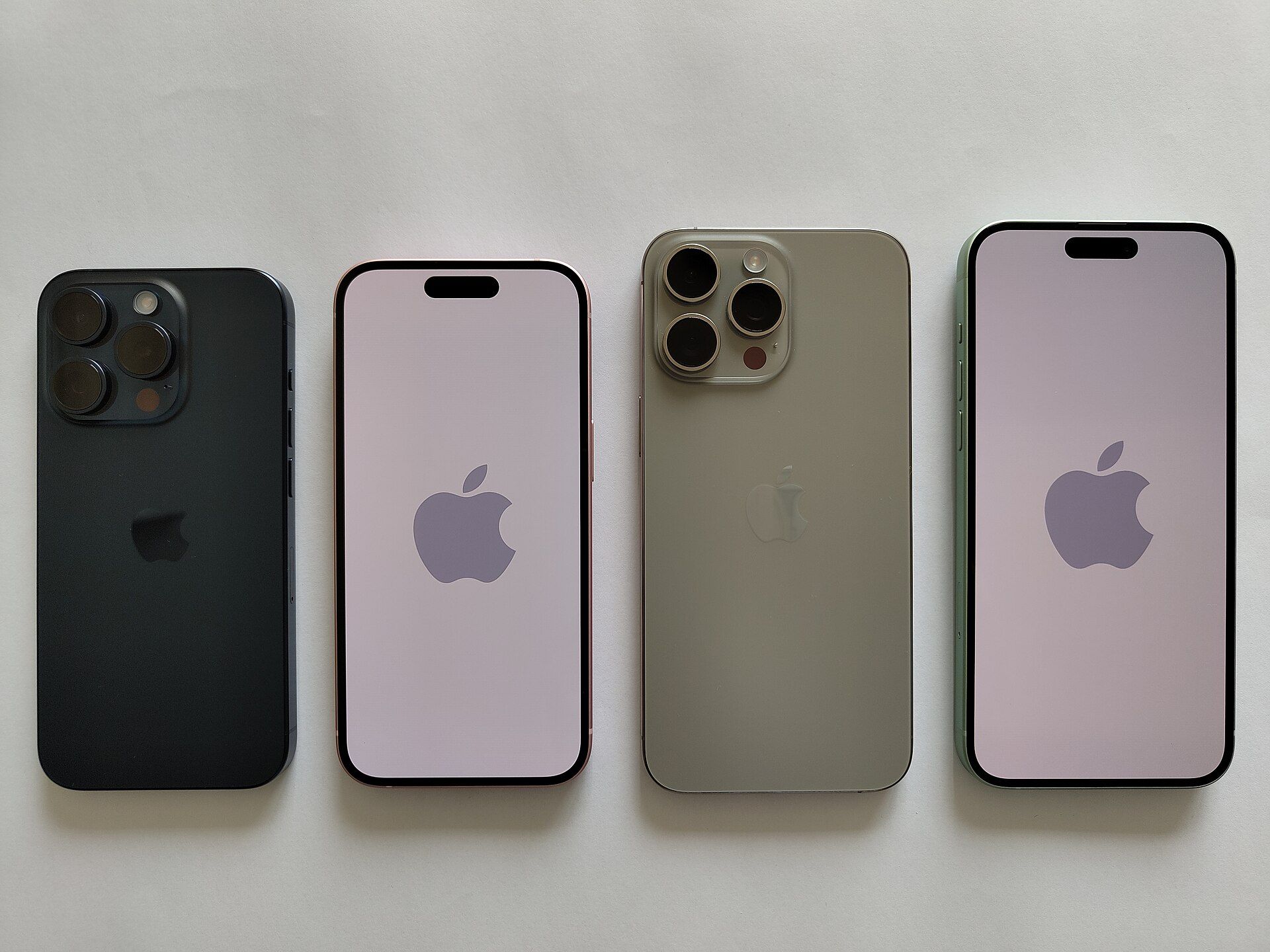
The second test is the rivalry with Apple. Apple is in the middle of its own major software cycle — the second public beta of iOS 27.3 arrived this week, with a redesigned Health app, a smarter Siri AI and face unlock for the iPhone Duo — and the two companies are competing for the same premium buyers. Samsung's answer to Apple's software polish has always been hardware breadth: more phones, more form factors, more choice. Whether Choi leans further into that strength, or tries to close the gap on software, is the open question of his tenure.
The third test is the one Samsung's own executives named out loud: discipline. "We must never sell cheap, at giveaway prices" is a line that sounds simple and is hard to live by in a market where rivals discount aggressively and buyers have been trained to wait for a deal. If Samsung holds its prices while its competitors cut theirs, it will need its phones to be good enough to justify the difference. That, in the end, is what the new chief has been hired to deliver.
Choi takes over a division that sells more phones than any other in the world, in a year when it lost money doing so. His predecessor kept Samsung at the top of the market for nearly seven years. His job now is to make the top of the market profitable again — and to do it with hardware, not discounts.
Sources & Further Reading
- Samsung Global Newsroom — "Samsung Electronics Announces New Leadership" (the announcement: Choi named Head of MX Business; Hwang to Memory, Cho to System LSI, Lee to CTO of DS) | https://news.samsung.com/global/samsung-electronics-announces-new-leadership-5
- SamMobile — "Samsung shakes up leadership, names new head for its mobile division" (TM Roh's seven-year tenure; Choi's Stanford background, Qualcomm and Atheros career; faster-hardware reporting) | https://www.sammobile.com/news/samsung-names-new-head-mobile-division/
- Digital Trends — "After admitting to 'giveaway prices' and a mobile loss, Samsung shakes up its top brass" (Seoul Economic Daily internal-meeting quotes; MX and Networks quarterly losses; discount ban; memory shortage through 2028) | https://www.digitaltrends.com/phones/after-admitting-to-giveaway-prices-and-a-mobile-loss-samsung-shakes-up-its-top-brass/
- 9to5Google — "Samsung mobile unit has someone new in charge - Choi Won-Joon" (Choi's COO tenure since March 2025; Galaxy S26 and Z Fold 8 launches) | https://9to5google.com/2026/11/19/samsung-mobile-division-lead-choi-won-joon/
- Korea JoongAng Daily — "Samsung promotes three chip veterans in 2027 leadership reshuffle" (six executives named; Roh to focus on DX and robotics) | https://www.koreajoongangdaily.com/business/samsung-promotes-three-chip-veterans-in-2027-leadership-reshuffle/12983009
Comments (0)
Comments are reviewed before they appear on the site. Your email address is never shown publicly.
No comments yet — be the first to share your thoughts.