
Speaking to someone in another language, live, without an interpreter in the room, has always come with an awkward pause. You speak, you wait, a machine translates, and the other person answers into the same gap. On 26 November 2026, DeepL launched Aure v2, a new voice translation model designed to shrink that pause. The company says it cuts the median delay of live translation by 50% compared with the original Aure model, which launched only 15 days earlier, on 11 November.
Aure v2 was unveiled at DeepL's first Unmute Summit, held in Tokyo. It is available now, automatically enabled for DeepL Voice customers, in six languages: English, German, French, Spanish, Japanese and Korean. More languages are coming, according to the company.
The launch matters because live voice translation is turning into one of the busiest races in consumer technology. Apple, Google and DeepL are all pushing the same idea: that language should stop being a barrier in a meeting, a hospital or a holiday. Aure v2 is DeepL's latest step in that race, and its headline claim is about speed, not vocabulary.
What Aure v2 actually does
Most voice translation today works like a relay race. First the system transcribes what you said into text, then it translates that text into the other language, then a speech synthesiser reads the translation aloud. Each stage adds its own delay, and the handoffs between them add more. That is why translated conversations have always felt a beat behind real ones.
Aure v2 removes the relay. DeepL says the model uses a new end-to-end architecture that translates directly from speech to speech, in a single step, with no separate transcription, translation and speech stages in between. The model also uses reinforcement learning, trained to start translating as soon as it has enough context, rather than waiting for a speaker to finish a whole sentence.
The result, according to DeepL, is a median translation delay 50% lower than the original Aure. The company also says the new model increases translation accuracy and expressiveness, so the translated voice keeps more of the speaker's tone and intonation. Aure, the first version, was built around that idea of adapting to a speaker's voice throughout a conversation. Aure v2 keeps it and adds the speed.
"With Aure v2, we've significantly cut translation delays while also pushing the accuracy and quality of DeepL Voice even further," said Jarek Kutylowski, DeepL's founder and chief executive, at the launch.
The numbers — and what they really mean
The 50% figure comes from DeepL's own internal study, carried out in November 2026 on one-minute recordings of real speech across 10 language pairs, with human-validated transcripts. The company also says Aure v2 beat six rival systems on translation quality in every language pair it tested. Both claims are DeepL's own measurements, not independent tests, and the company itself notes that results may differ in real conversations. Treat them as the company's claim, not settled fact, until independent testers put the model through its paces.
That caution matters, because a delay cut in a lab test does not always survive contact with the real world. Background noise, accents, overlapping speakers and bad microphones all slow voice translation down. The honest way to judge Aure v2 is to watch what users and reviewers report over the next few weeks, now that it is live for real customers.
What is not in doubt is the direction of travel. DeepL says use of its voice products is growing fast: total voice minutes were up more than eight times year over year in the third quarter of 2026, and translated meeting minutes were up about seven times. People are actually using live voice translation, in numbers large enough for DeepL to build a second-generation model just weeks after the first.
Six languages at launch
Aure v2 supports English, German, French, Spanish, Japanese and Korean at launch. That covers a large share of international business conversation, and the Japanese and Korean support matters: the model was launched in Tokyo, and DeepL is pushing hard in Japan. More languages are coming soon, the company says, but it has not given dates or a list.
The six-language limit is the most obvious gap for now. If your conversation is in Hindi, Arabic, Portuguese or Bengali, Aure v2 cannot help you yet. DeepL's text translator supports many more languages, so the voice side has catching up to do.
Where it works
Aure v2 runs across all three of DeepL's voice products: Voice for Online Meetings, which translates live video calls; Voice for In-Person Conversations, which translates face-to-face chats through a phone; and the DeepL API for Voice, which lets other companies build the translation into their own apps and customer-service tools. It is automatically enabled for supported languages, with no extra setup, for existing DeepL Voice customers.
The in-person use case is the most interesting. Two people who do not share a language can hold a conversation with a phone between them, each hearing the other in their own language, almost as it is spoken. That is the situation where delay matters most: in a meeting you can tolerate a pause, but in a face-to-face conversation a long silence feels like the other person has stopped listening.
DeepL also used the launch to announce a Disaster Multilingual Communication Support Program, starting 26 November 2026, which gives free access to DeepL Voice for In-Person Conversations to municipalities, support organisations and people affected by disasters in Japan. It is a small, practical use of the technology: when an earthquake or flood hits, the people who need help and the people offering it do not always speak the same language.
Why this is happening now
Voice translation has been promised for years, but three things have changed. First, the models got good enough: end-to-end speech models can now translate meaning, tone and timing together, instead of chaining three separate systems. Second, the demand is real, as DeepL's own usage numbers suggest. Third, the competition is pushing everyone faster: when one company ships a faster model, the others have to answer.
DeepL's move also shows how quickly this field is moving. Aure, the first version of the model, launched on 11 November 2026. Aure v2 arrived 15 days later. In the same week, OpenAI was changing how ChatGPT and Codex share usage limits, and Google was rolling out pricing for its Workspace AI agent tools. The AI industry is shipping at a pace where a two-week-old product can already be the old version.
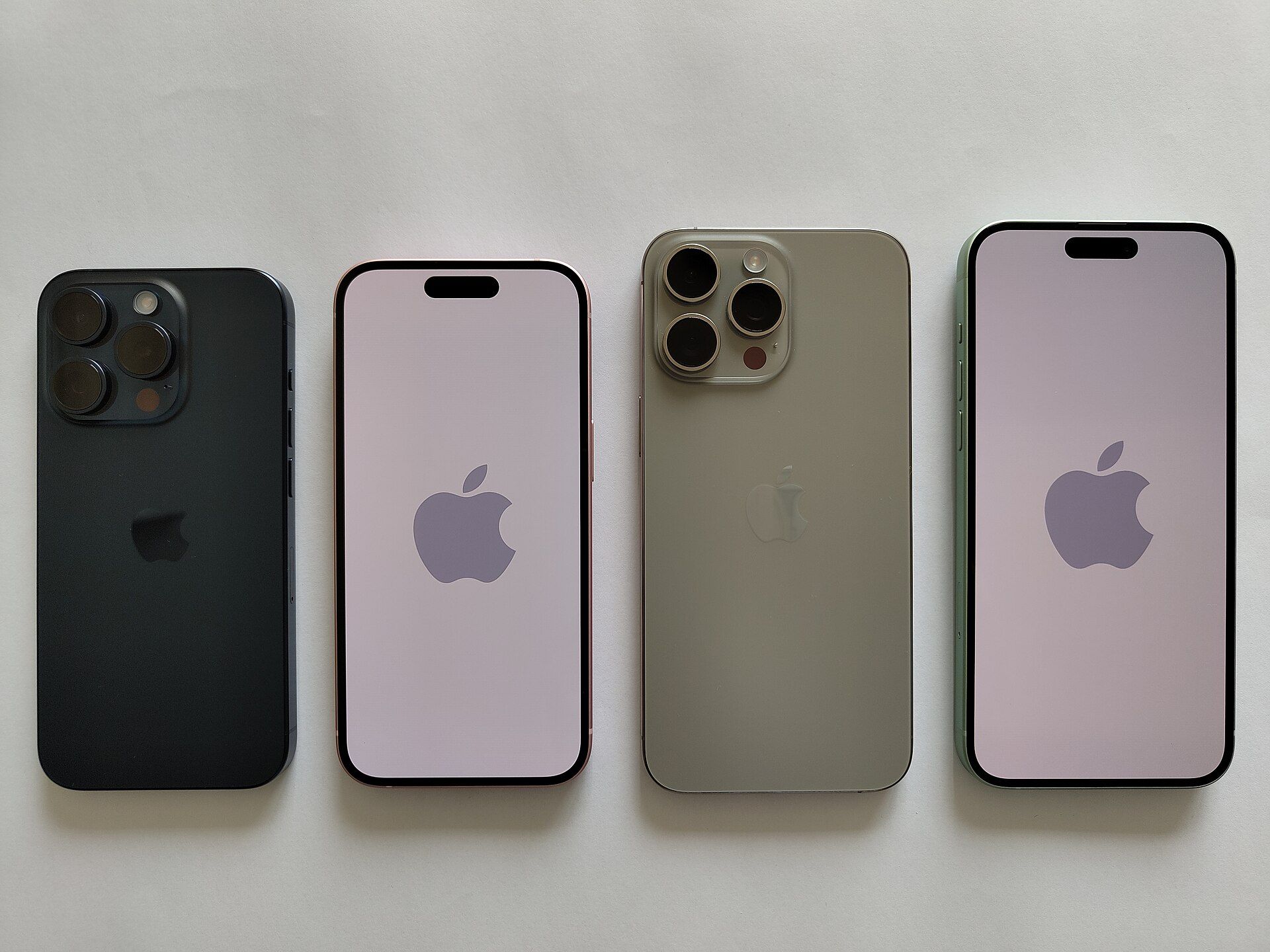
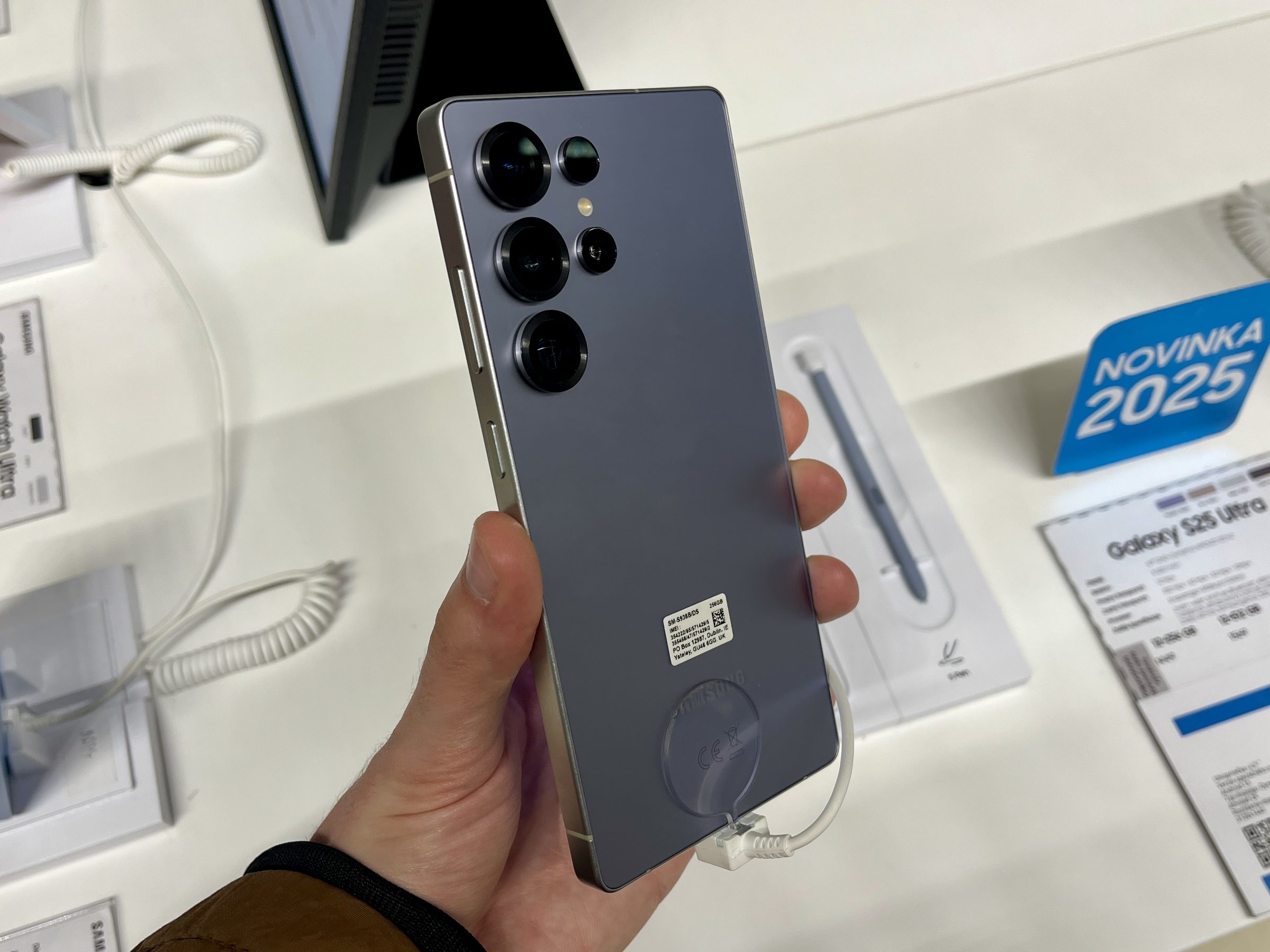
For readers, the practical effect is simple: the tools that let you talk across languages are getting faster and more natural, and they are moving from demonstrations into products you can actually use. DeepL's model is aimed at businesses rather than casual users, but the technology underneath it will reach consumer apps, phones and earbuds soon enough. The dev.to roundup of the launch noted that real-time voice translation has now gone mainstream, with Apple, Google and DeepL all in the race and dedicated translation earbuds on sale for $349.
What it means for you
If you work with people in other countries, Aure v2 is worth knowing about, even if you never buy it. Live-translated meetings are becoming normal, and the delay — the thing that made them feel broken — is shrinking fast. If your company already uses DeepL Voice, the upgrade is automatic. If it does not, the six-language limit and the business pricing are reasons to wait, or to compare it with what Apple and Google offer on the phones you already own.
If you travel, the in-person mode is the one to watch. A phone that translates a conversation with a hotel receptionist, a doctor or a shopkeeper, in near real time, changes what it feels like to be in a country whose language you do not speak. Aure v2 does not do that for free, and it does not yet cover many of the world's most spoken languages. But the direction is clear, and the next version will cover more.
The wider lesson is about expectations. Two years ago, live voice translation was a demo. Today it is a product with a second version, usage growing eightfold in a year, and a benchmark war over milliseconds of delay. The question is no longer whether machines can translate your voice live. It is how fast, how natural, and in how many languages, and Aure v2 is DeepL's answer to all three.
What to watch next
Three things will decide whether Aure v2 lives up to its launch claims. First, independent testing: reviewers and users will soon report how the 50% delay cut holds up in noisy, real-world conversations. Second, languages: how quickly DeepL adds the languages its users actually speak, including the ones spoken across South Asia. Third, the response from Apple and Google, whose translation features ship on billions of phones and do not need a separate subscription.
For now, Aure v2 is live, it is faster on DeepL's own measurements, and it speaks six languages. The pause between you and someone who speaks another language just got shorter.
That is a small change with a large consequence. When translation delay falls far enough, people stop noticing the machine at all, and a conversation in two languages starts to feel like a conversation in one.
Read more about how AI tools are changing everyday software in our story on Claude Artifacts becoming real desktop apps, and about the latest iPhone software in our iOS 27.3 public beta 2 coverage.
Comments (0)
Comments are reviewed before they appear on the site. Your email address is never shown publicly.
No comments yet — be the first to share your thoughts.