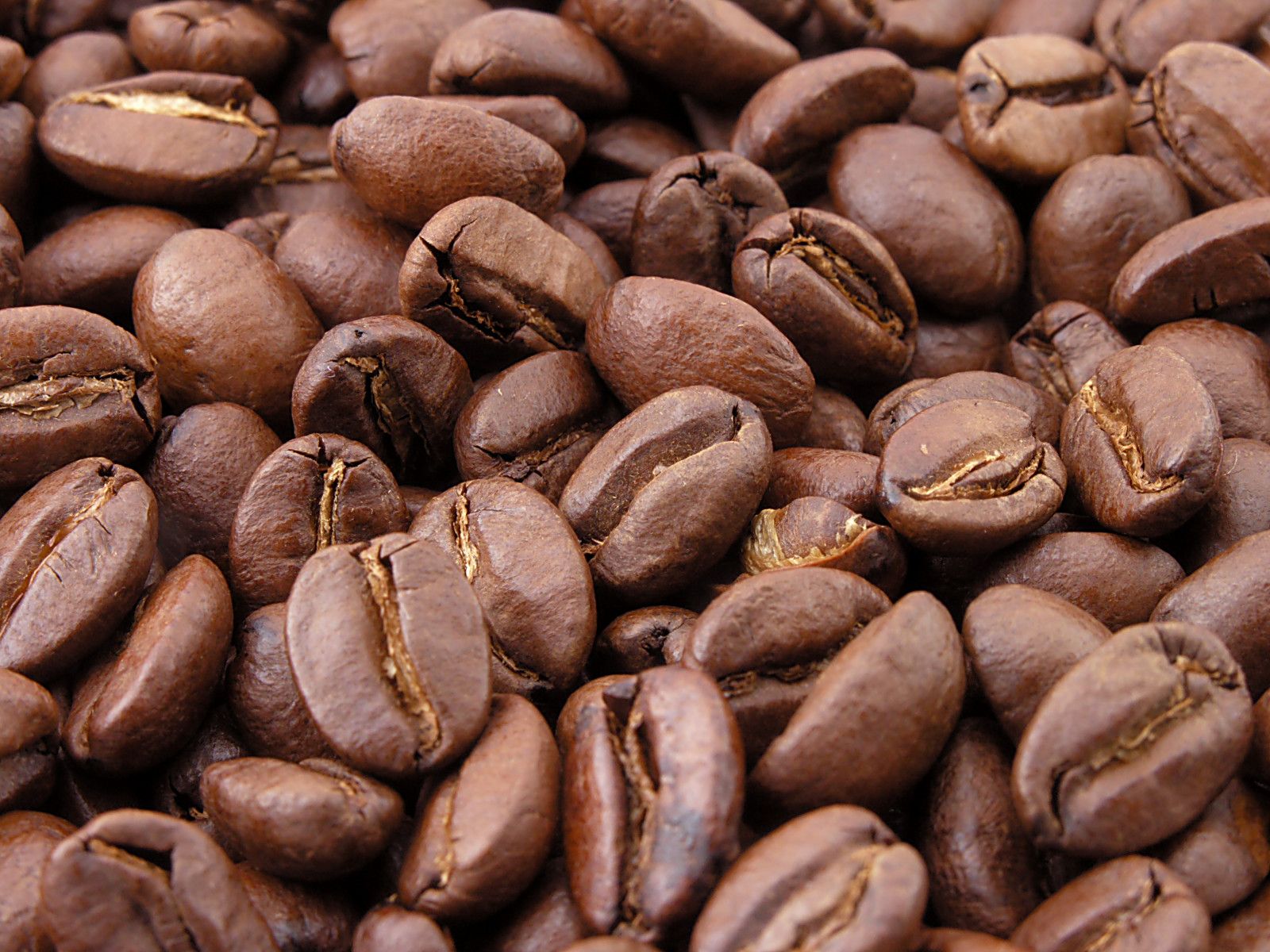
The short answer: Coffee began as a wild shrub in the highlands of Ethiopia, became a drink in the Sufi monasteries of Yemen in the 1400s, and then travelled the world through trade, smuggling and empire. Along the way it created the coffeehouse — a new public room where news, politics and business were done — and helped give birth to modern insurance and the stock market. Today the world drinks an estimated 2.25 billion cups of it every single day.
Think about the last cup of coffee you drank: the morning cup, the café meeting, the late-night deadline fuel. It was probably so ordinary it barely registered. Yet no drink in history has done more to change how humans live, work and think. Tea has older roots and a quieter story. Alcohol dulled people. Coffee woke them up — and then it gave them somewhere to go with their new alertness.
The goats that started it all
Every history of coffee begins with the same story, and it begins with goats. According to legend, around the year 850, an Ethiopian goatherd named Kaldi noticed that his flock refused to sleep after eating the red berries of a certain bush. They danced and leapt through the night. Kaldi tried the berries himself, felt the same exhilaration, and carried them to a nearby monastery. The monks, the story goes, first threw the berries into the fire in disgust — then smelled the roasting seeds, fished them from the coals, and brewed the first cup of coffee.
It is a wonderful story, and almost certainly invented. The tale was first written down in the 17th century, hundreds of years after the events it describes, and historians treat it as legend rather than record. The name Kaldi and the Ethiopian hills were added by later retellings; the earliest written version does not even name the herdsman.
But the legend points at a real truth. Coffea arabica, the plant behind most of the world's coffee, really does grow wild in the forests of south-western Ethiopia. People in those highlands discovered the plant's stimulating effect long before anyone wrote about it: they chewed the cherries and mixed ground seeds with animal fat. The goats may be fiction. The geography is fact.
Yemen: where coffee became a drink
The first reliable evidence of people actually drinking coffee comes not from Ethiopia but from across the Red Sea, in Yemen, in the middle of the 15th century. Sufi Muslim communities there brewed a hot infusion from the roasted seeds to stay awake through long nights of prayer and chanting. From the monasteries, coffee spread into the streets, reaching Mecca and Cairo by around 1500 — and with it came something entirely new: the coffeehouse. The Arabic word for the drink was qahwa, a word that had once meant wine, and it travelled through Turkish kahve and Italian caffè into nearly every language on Earth.
Yemen guarded its treasure jealously. All the world's coffee came through the Red Sea port of al-Makha — Mocha, in English — and Yemeni traders made sure no fertile seeds or living plants left the country. For roughly two centuries, Mocha was the gate through which every coffee bean on Earth had to pass. Some religious authorities denounced coffee as intoxicating and therefore forbidden, and in 1511 the coffeehouses of Mecca were banned. It was the first of many bans — and like all the others, it failed.
The coffeehouse is born
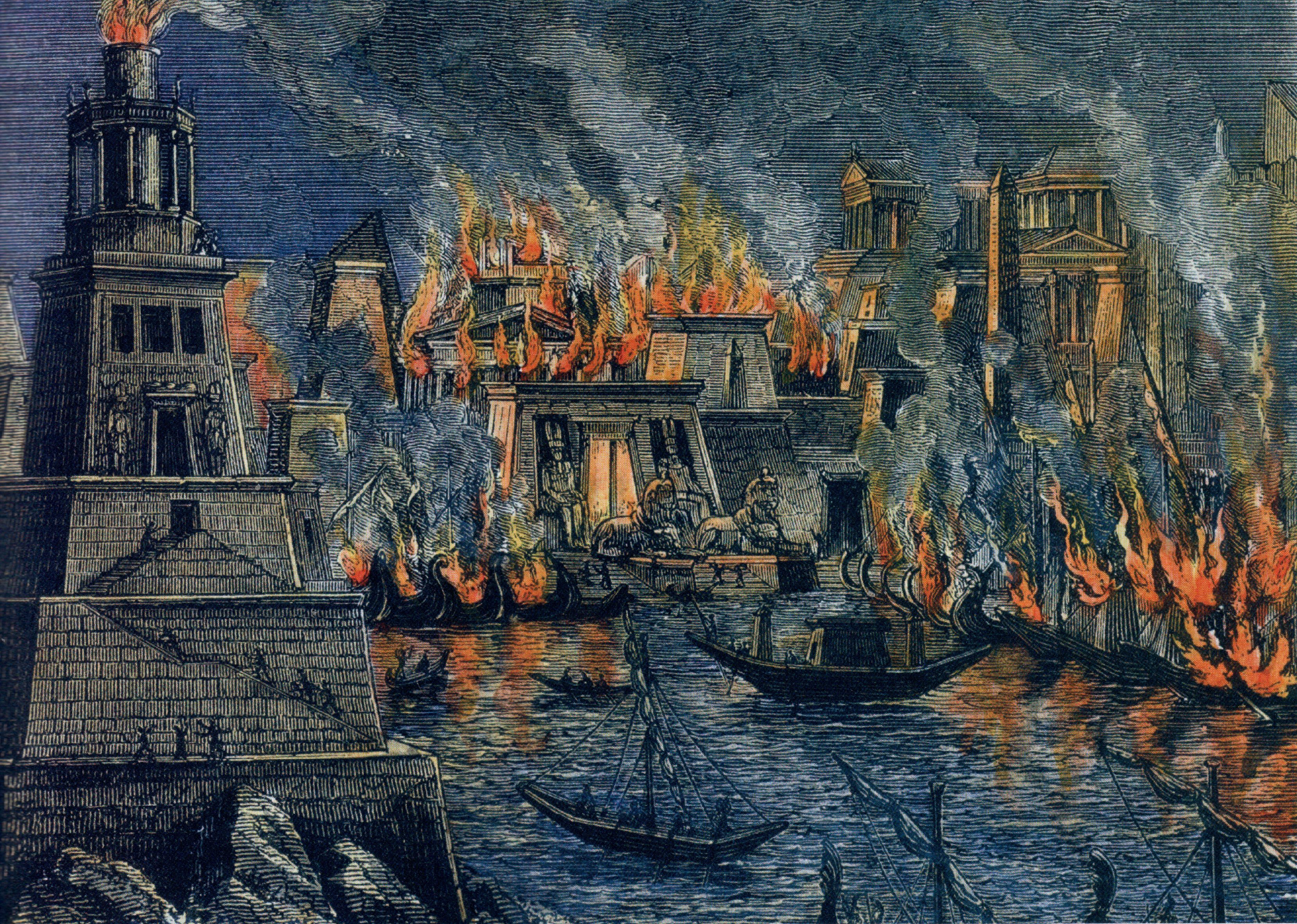
The coffeehouse itself was arguably as important an invention as coffee. Before it, there was nowhere quite like it: a public room where anyone with a few coins could sit for hours, talk, listen to music, play chess or backgammon, and argue about the news of the day. They were public rooms for knowledge, in the spirit of the Library of Alexandria.
The first documented coffeehouses opened in Istanbul in 1554–55, when two men from Syria — Hakam of Aleppo and Shams of Damascus — opened large shops in the Tahtakale district and began selling coffee. The Ottoman chronicler Ibrahim Peçevi, writing in the 1640s, recorded the event. (You will sometimes read that a coffeehouse called Kiva Han opened in Istanbul in 1475. Historians have found no evidence for that story; treat it as legend, like Kaldi's goats.) In Istanbul the coffeehouses became known as "schools of the wise", because of the scholars, poets and officials who gathered in them. That was precisely what worried the rulers: sultans banned coffeehouses again and again — most harshly under Murad IV in 1633 — because men gathered there to discuss politics freely. Every ban failed.
Coffee conquers Europe
Coffee reached Europe through Venetian merchants in the early 1600s, around 1615. England's first coffeehouse opened in Oxford in 1650, run by a man called Jacob at the Angel. London's first followed in 1652, when Pasqua Rosée, a servant of the Levant merchant Daniel Edwards, set up shop in St Michael's Alley, Cornhill. Within a few decades, London had hundreds of them.
The price of admission was a penny — a cup of coffee and a seat for as long as you liked. That is why they were called "penny universities": a poor man's route to news, ideas and conversation. The idea was already in print by 1667, in a broadside called News from the Coffee-House. In 1675, King Charles II tried to close the coffeehouses down, fearing sedition. He gave up within days. London would not give up its coffee.
The drink that built modern finance
Here is the part of the story that still shapes your life today. Two of the most powerful institutions in world finance were born in London coffeehouses.
The first was insurance. Edward Lloyd's coffee house on Tower Street attracted merchants, shipowners and sea captains. The London Gazette first mentions it in February 1688. Around 1691, Lloyd moved to Lombard Street, and his house became the headquarters of ship sales and marine insurance: men gathered there to take a share in the risk of a voyage. In the 1770s, the underwriters formed themselves into the Society of Lloyd's. Lloyd's of London — still one of the world's insurance markets — began as a coffeehouse.
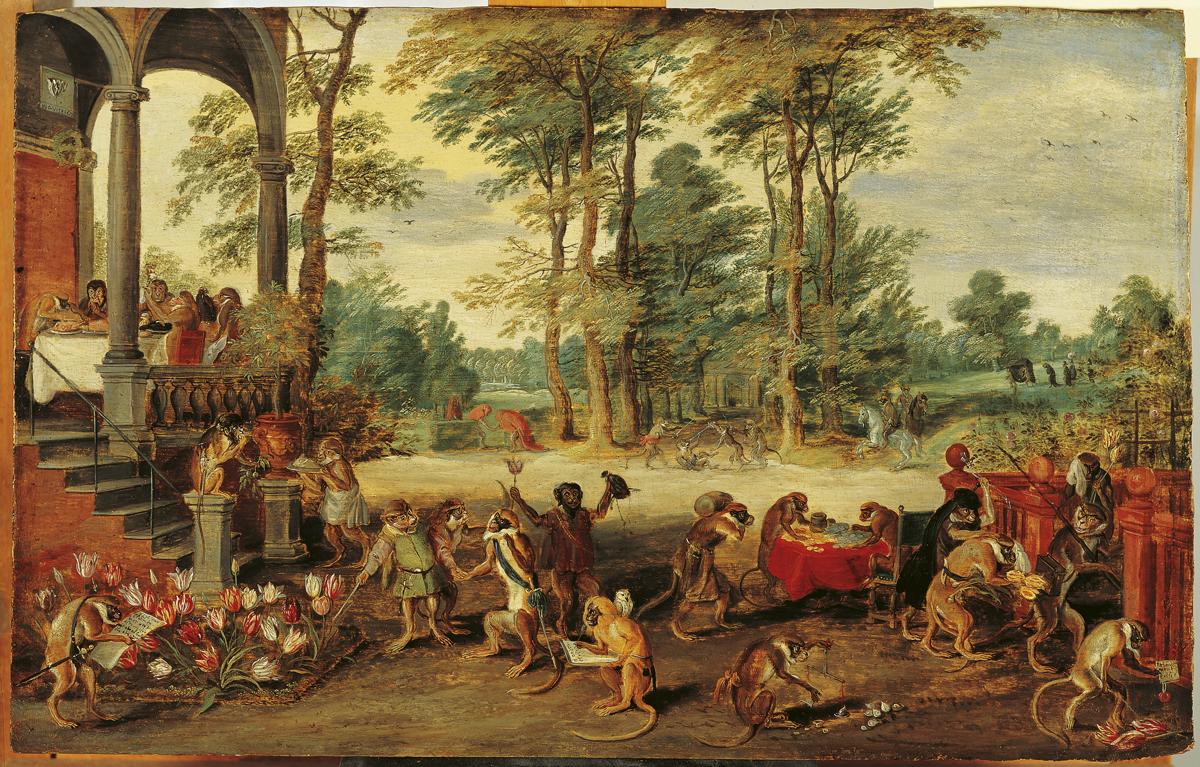
The second was the stock market. Around 1680, Jonathan Miles opened his coffeehouse in Change Alley. It became the place to find a stockbroker, and from 1698 the broker John Castaing posted share and commodity prices there under the title The Course of the Exchange and Other Things. In 1773, a group of brokers put up their own building in Sweeting's Alley and called it New Jonathan's. Before long, it was renamed the Stock Exchange. The coffeehouse was the internet of its day: the room where information arrived first. The same hunger for news and quick profit had already fed history's first market bubble — tulip mania — a few decades earlier.
The great coffee heist
None of this would have happened on such a scale if coffee had stayed a Yemeni monopoly. But the bean was too valuable to stay put. According to tradition, a Sufi pilgrim named Baba Budan smuggled seven fertile coffee seeds out of Mocha, taping them to his chest, and planted them in southern India. The details are legend, but coffee did take root in India — and the Europeans followed. In 1616, the Dutch took coffee plants from Mocha to Amsterdam, and soon afterwards they were growing it on Java.
The last great chapter belongs to Brazil. In 1727, a Portuguese officer named Francisco de Melo Palheta was sent to French Guiana, officially to mediate a border dispute — and secretly to get coffee seeds, which the French guarded jealously. The story says the governor's wife presented him at his farewell dinner with a bouquet of flowers in which she had hidden the seeds he needed. From that discreet bouquet, so the tale goes, grew the vast Brazilian coffee industry. By 1852, Brazil was the world's largest coffee producer, a title it has never given up.
The spread of coffee was not a gentle story. In Brazil, the great plantations were worked by enslaved people, and forests were cleared on an enormous scale to make way for the crop. The same drink that built banks and newspapers also built fortunes on forced labour. Any honest history of coffee has to hold both facts at once: it spread knowledge and trade, and it spread exploitation too.
How coffee changed the way we think
Coffee arrived in Europe just as the Enlightenment was beginning, and the two fitted together. The coffeehouse gave philosophers, scientists and pamphleteers a place to meet outside the church, the court and the university. Ideas could be argued over a cup, printed in a pamphlet, and argued about again the next morning.
Coffee also became a drink of identity and protest. When American colonists turned against British tea after the Boston Tea Party of 1773, coffee became the patriotic drink of the new United States — a habit the country has never shaken. And in Ethiopia, the traditional coffee ceremony — beans roasted over charcoal and brewed in a clay pot called a jebena — is still served in three rounds, while in Turkey coffee culture runs so deep that UNESCO added it to its Representative List of the Intangible Cultural Heritage of Humanity in 2013.
The economics of the bean
By now, coffee is one of the engines of the world economy. The International Coffee Organization puts world production at roughly 170 million 60-kilogram bags in the 2023–24 crop year. Brazil grows about 30 percent of it — some 3.4 million tonnes in 2024, according to the UN's Food and Agriculture Organization — with Vietnam second at around 18 percent. Together, the two countries grow nearly half of all the coffee on Earth. The figure most often quoted for drinking, cited from International Coffee Organization data, is an estimate: around 2.25 billion cups of coffee are drunk around the world every single day. Finland drinks more coffee per person than any other country, and the trade supports the livelihoods of millions of farming families, most of them smallholders on a few hectares of tropical hillside.
That scale brings problems. Coffee prices swing wildly with droughts and frosts in Brazil and Vietnam. And the money is unevenly shared: the farmers who grow the bean earn a small fraction of the price of the cup in a city café. The drink that built fortunes in London coffeehouses still leaves many of its growers poor.
Coffee today — and why it still matters
Five centuries on, coffee has never been more varied. Espresso machines, invented in Italy in the late 19th century and perfected after the Second World War, turned coffee into a fast, precise craft. The "third wave" of speciality coffee treats the bean the way wine treats the grape — single origins, careful roasting, tasting notes.
So why does it still matter? Because coffee changed more than taste. It changed where people meet, how news travels, how business is done and how the day itself is organised. Coffee built a new kind of room — open to anyone with a penny, lit by argument and gossip and the morning papers — and that room became the model for the modern city. The legend may be invented. The world it built is real.

Comments (0)
Comments are reviewed before they appear on the site. Your email address is never shown publicly.
No comments yet — be the first to share your thoughts.